Water Damage Restoration: Pro Tips for the Drying Process
Restoration
5 min read
Water damage can strike at any time, wreaking havoc on homes and businesses. After standing water is extracted, the key to successful restoration lies in efficient and effective drying. This article offers tips that you can implement to ensure great results for your clients.
Understand Factors That Influence Drying
Three main factors can influence your choices for drying equipment and execution:
Extent of Damage: The level of severity will affect the intensity and duration of drying efforts.
Type of Materials: Porous materials such as wood and drywall absorb water more readily and require specialized drying techniques.
Atmospheric Conditions: The temperature, airflow and humidity in a water-damaged environment can impact the drying process.
The more you know about these topics, the better prepared you are to tackle the drying process.
Invest in the Best Equipment and Tools
Investing in top-notch equipment not only enhances the efficiency of your restoration efforts, it also reflects your commitment to delivering high-quality service. Plus, clients are more likely to trust contractors who use advanced technology to ensure thorough and speedy restoration. So, be sure to equip your team with state-of-the-art, high-velocity extraction apparatus, air movers and dehumidifiers, all of which are essential for expediting the drying process. These can significantly reduce the drying time, and also help prevent secondary issues, such as mold growth and other health hazards.
VARIETY of equipment is important as well. For example, your team should have a variety of water damage fans, including axial and centrifugal, to accommodate different drying needs. Various heaters and dehumidifiers also play important roles.
You’ll also want to make sure your team has the right AMOUNT of equipment at the start of every job. This ensures a faster drying time. Conversely, using an inadequate amount of equipment on the first day will lengthen the overall drying time.
And what about tools? A high-tech moisture meter and a good humidity measurement tool are essential for measuring initial levels and monitoring the drying process. Also, don’t overlook the benefits of a good floor plan app, such as magicplan. This type of digital tool can be used to:
create detailed floor plans in real time
develop estimates on-site
accurately document affected areas with sketches, photos, notes and virtual tours
map moisture meter readings over time, throughout the drying process
You may also want to explore tools used for remote moisture monitoring.

Train Your Team Well
Drying a water-damaged site can be a big job that involves a lot of moving parts. That’s why professional courses and on-the-job training are extremely important for anyone working in water-damage restoration. Knowledgeable, properly trained employees will know how to conduct all drying steps most effectively and efficiently, from start to finish.
Respond Swiftly to Each Call
Time is of the essence in water damage mitigation. The longer water sits, the more extensive the damage becomes. Actions in the first 24-48 hours are especially critical for preventing secondary damages, such as mold growth and structural issues. So, you’ll want to emphasize the importance of swift action to your team. Encourage them to respond promptly to client calls and assess each situation as quickly as possible. By acting swiftly, they will help prevent further damage. And they also will showcase your business’s commitment to client satisfaction.

Thoroughly Assess and Document the Scene
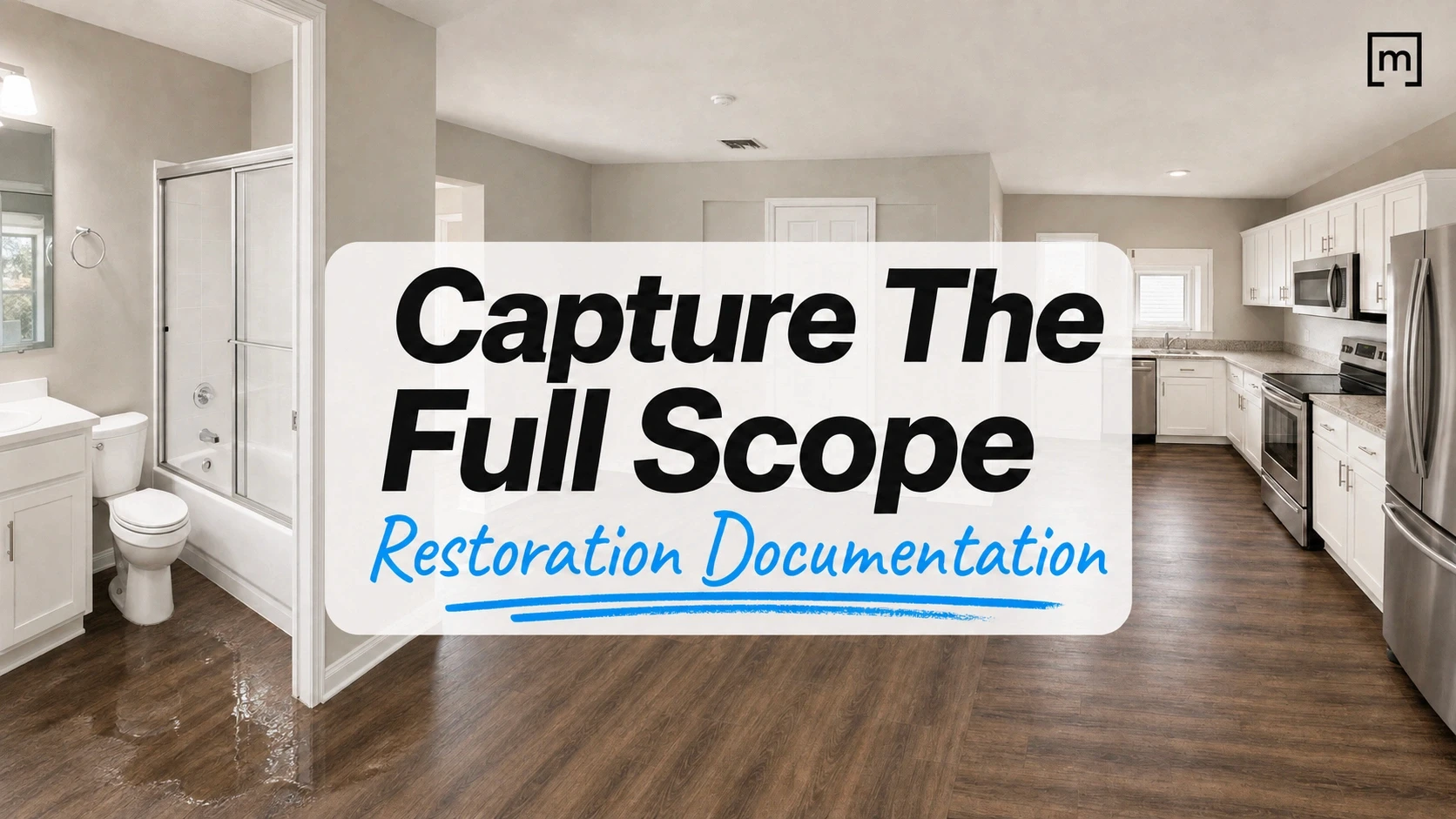
Before diving into work at a job site, be sure to conduct a comprehensive water damage assessment. Identify the source of the water, evaluate the extent of the damage, and categorize it based on the level of contamination. A thorough assessment sets the foundation for a targeted restoration strategy – one that ultimately makes the best use of time and resources.
Extract Standing Water and Establish Proper Air Flow
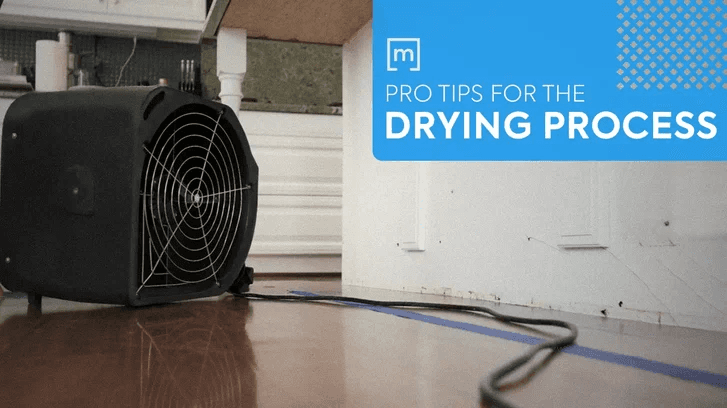
Once the standing water has been removed, it’s time to focus on boosting evaporation. This can be achieved by having your team place high-velocity air movers strategically on-site to maximize air flow. These are essential for initiating rapid evaporation of moisture from floors and walls.
Also, instruct team members to open windows and doors, when possible, to enhance natural ventilation. Adequate ventilation helps to expel moisture-laden air, promote evaporation, and prevent the buildup of stale air and potential odors.
Use Dehumidifiers Wisely
Commercial water restoration dehumidifiers play a crucial role in removing excess moisture from the air, thwarting mold growth and preventing damage to absorbent materials. Here’s why: Lowering the relative humidity in a room will enable wet materials to release moisture into the air and return to a normal state.
There are two important steps to follow when employing dehumidifiers at a job site:
First, you’ll want to select the right type of units to use, since different types of dehumidifiers (refrigerant, desiccant, etc.) are intended for different purposes. Consider factors such as size, humidity levels, and airflow patterns.
Then have employees place those units strategically in affected areas to make the most impact.
Forced-air heat drying systems provide another option. These can be used in place of or in tandem with dehumidifiers to accelerate drying.
Monitor Moisture Levels Continuously
Effective drying requires constant monitoring of moisture levels. Advise your team to use moisture meters to regularly assess the moisture content in affected structural components and materials. This proactive approach allows for adjustments to be made to the drying strategy based on the evolving conditions of the affected space.
Monitoring moisture levels also helps ensure that all moisture ultimately is eliminated – meaning no hidden pockets of moisture are left untreated.
Follow ANSI/IICRC S500 Protocols
While we touched on some basic best practices above, we also acknowledge that professional drying and dehumidification can be rather complex and scientific. That’s why your team should follow the 2021 version of the ANSI/IICRC S500 Standard for Water Damage Guidelines. That document is widely regarded as the gold standard for water damage restoration businesses throughout the United States. (You can learn about the standard’s history and importance here. It’s worthwhile reading for anyone who works in the restoration business.)
Wrap-Up
Effective drying plays a pivotal role in mitigating water damage. It requires proper preparation, timely action, thorough assessment, detailed documentation, and strategic use of effective drying equipment and tools. Enhancing all of these efforts will help your business achieve optimal results!
READ THESE RELATED ARTICLES:
One Dozen Helpful Tools for Finding and Documenting Water Damage
How to Affectively Assess and Document Water Damage
Share
Understand Factors That Influence Drying
Invest in the Best Equipment and Tools
Train Your Team Well
Respond Swiftly to Each Call
Thoroughly Assess and Document the Scene
Extract Standing Water and Establish Proper Air Flow
Use Dehumidifiers Wisely
Monitor Moisture Levels Continuously
Follow ANSI/IICRC S500 Protocols
Wrap-Up

Benjamin Brown
Director of Sales Acquisition