Q&A: Why and How to Speed Up Restoration Claim Cycles
Claims Adjuster
5 min read

If you own or help manage a restoration company, you’ve probably heard plenty about “cycle time.” The message is loud and clear: keep projects moving and get paid faster. Let’s break down what cycle time truly means in restoration, why bottlenecks develop, and how you can finally get visibility into your workflow’s weak spots, so you can address them deliberately and systematically, and make lasting improvements.
Q. What Exactly Is Cycle Time in Restoration?
A. Cycle time, in practical terms, is the total duration from when a new project comes in — whether it has to do with water, fire or storm damage, or mold remediation— to when you’ve wrapped up the job and received full payment. (However, some contractors focus more narrowly, tracking just from job assignment to work completion and a signed certificate of satisfaction, which green-lights submission of a final invoice.)
Q. Why Should I Try to Speed Up Cycle Time?
A. Reducing cycle time is central to profitability: The less time your crews and capital are tied up in drawn-out projects, the more jobs you can complete and the less overhead you’re swallowing for each claim.
But long cycle times don’t just hurt your bottom line. They also impact your standing with networks that measure Performance Outcome Measurement System (POMS) scores or similar KPIs. As job completions drag out, you risk falling out of favor and getting fewer and lower-quality job assignments.
Q. What Are Cycle-Time Bottlenecks, and When Do They Usually Happen?
A. A bottleneck is the point in your workflow where projects get jammed up — delays that choke the flow of jobs moving forward. When you’re dealing with residential and commercial damage restoration claims, bottlenecks often emerge where hand-offs or approvals are required. Think of these as traffic jams, not slowdowns: everything behind the blockage is forced to wait, which causes a ripple effect.
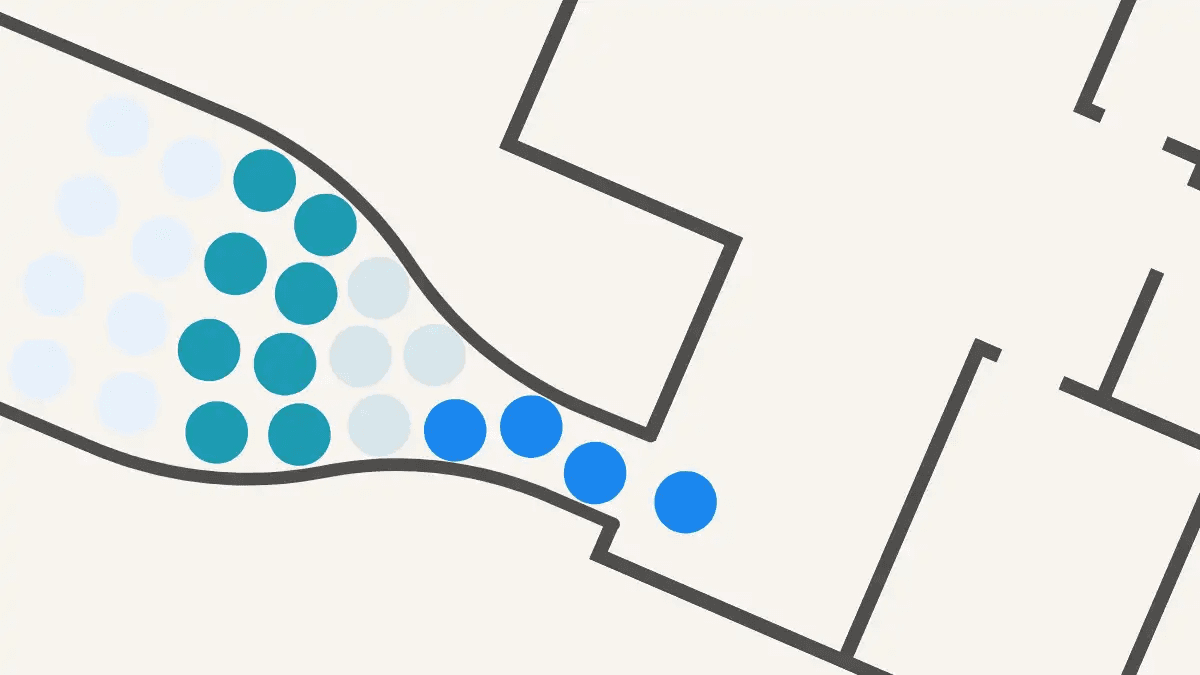
The most common points where bottlenecks build are:
Estimate Negotiations and Revisions: Restoration estimates are under more scrutiny than ever. Insurance carriers and third-party administrators (TPAs) are requesting more documentation, photos, and clarifications than they used to require. Each “kickback” for revision means days (or sometimes weeks) will be added to the timeline. For mitigation work, this is less of an issue because contractors are generally authorized to start immediately and submit invoices afterward. In demo and reconstruction work, however, the documentation and negotiation stages can often be drawn out and unpredictable.
Administrative Overload and Communication Lag: Back-and-forth communication between your company and an insurer or TPA slows everything. Your office staff gets bogged down in requests for more information, waiting on field restoration staff for missing details, or struggling to wrangle paperwork. Each handoff represents a risk for the project-cycle process to stall or loop back on itself if documentation is incomplete or unclear.
Compliance and Quality Assurance (QA) and Rejections: As insurers and TPAs tighten requirements, there’s an increase in rejections related to documentation, scope errors, or data quality. Every rejection means extra admin time and delays as your business races to fix and resubmit documents.
Q. What is a Root Cause of Bottlenecks?
A. One of the most overlooked causes of slow cycle times is inadequate field documentation. Usually, this is the result of field techs being too rushed or not motivated (or not equipped with the right tools) to properly capture what’s happening on site.
Field documentation plays a pivotal role in overall claim processing efficiency because it serves as the foundation for every subsequent step in a restoration project’s lifecycle. When technicians accurately and promptly capture essential site information — such as floor plans, photo documentation, moisture readings and detailed notes —they create a reliable and complete record for estimators, project managers, administrators, and claim reviewers.
Q. How Can I Diagnose Bottlenecks in My Claim Cycles?
A. Here are five tactics that can help:
1. Map your workflow step-by-step: Start by charting your company’s standard project cycle, from intake to payment. Identify each phase (e.g., initial call, mitigation, initial documentation, estimate preparation, insurance negotiation, restoration work completion, closeout and billing).
2. Log key milestones and time spent: Record the start and end dates of each stage, using a basic Excel sheet or some other method. Just make sure you’re consistent.
3. Look for patterns: Review the data after five to ten completed jobs. Where do projects regularly get stuck? Does one phase run longer than the others, or are there patterns among certain types of claims or insurance carriers?
4. Audit your documentation process: Check how often field crews are skipping floor plans, photo uploads, moisture maps, notes and other key details. If incomplete or missing documentation is a pattern, that’s likely your main bottleneck.
5. Survey your team: Sometimes, the people closest to the work have key insights, especially about recurring administrative tasks, unclear processes, or resource shortages causing delays.
Q. What Tools Can I Use to Find and Prevent Bottlenecks?
A. Explore the advantages of these two modern-day solutions:
JOC Analytics – for finding bottlenecks: The JOC Analytics platform focus on giving deeper visibility into claim performance with data-driven dashboards, trend reporting, and cycle-time analytics specific to restoration companies. It’s great for owners looking to benchmark against industry standards or quickly spot chronic bottlenecks before they become costly.
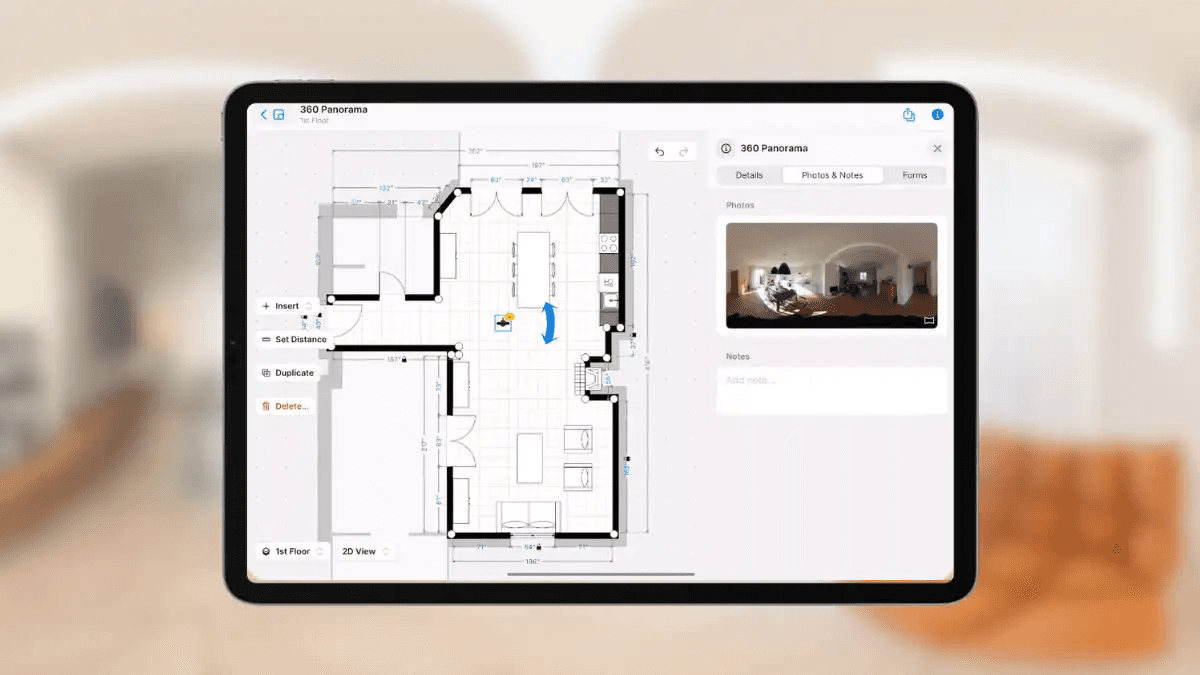
magicplan – to prevent a root cause of bottlenecks: Here’s how you can avoid problems caused by poor claims documentation: Equip your field technicians with the all-in-one mobile magicplan app. It helps them properly and quickly capture floor plans, photos, videos, 360° panoramas, drying logs, moisture maps and notes while they’re at a job site, so, there’s no need to juggle separate tools or re-enter information later. Structured forms, captions and room-level tags turn scattered photos into usable, uniform data, eliminating guesswork for estimators and admins, and reducing QA rejections. All data can be summarized in a professional field report, and even integrated directly into Xactimate or Cotality claims estimating software. And the magicplan cloud-sync feature enables estimators, project managers and admins to get real-time visibility into job status.
Summary
Diagnosing and fixing bottlenecks isn’t about implementing fancy theory; it’s about making every claim cycle visible, structured, and connected from field to office. With a little diligence and the right tools, you can reduce cycle times, improve financial outcomes, and boost your company’s reputation with both customers and carrier partners.
Share

Benjamin Brown
Director of Sales Acquisition