Essential PPE for Restoration Contractors Handling Hazardous Materials
Restoration
4 min read
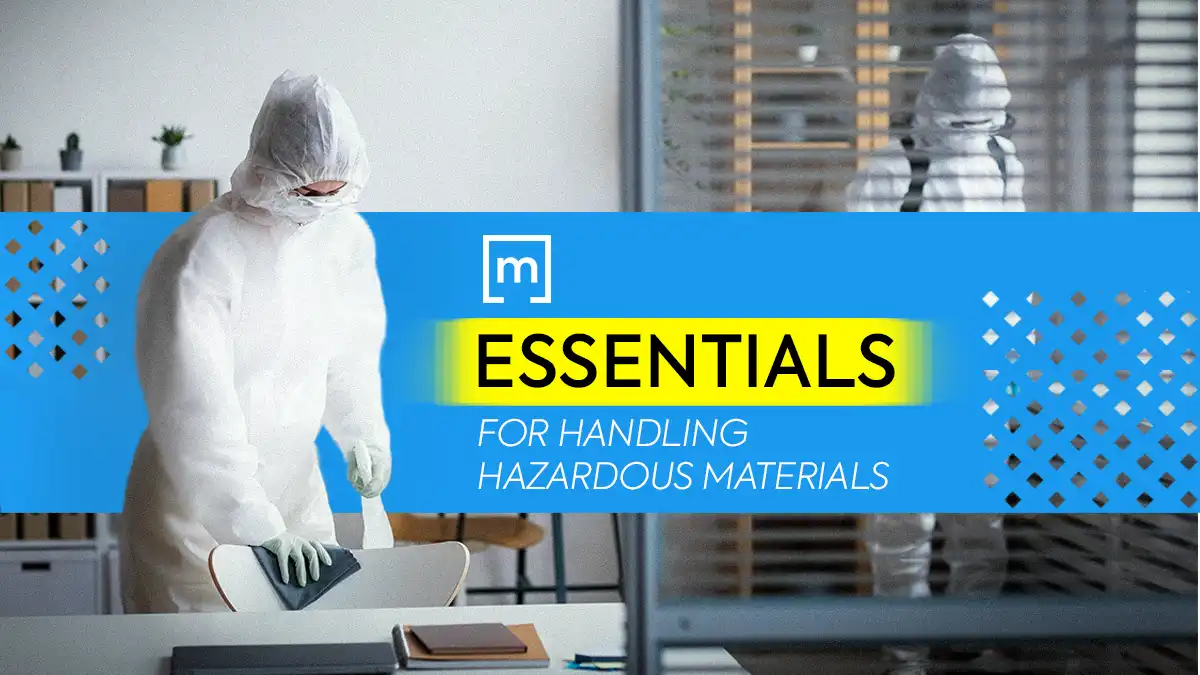
If you manage field work for a restoration business, you’re sure to encounter environments filled with hazardous materials – everything from asbestos and black mold cleanup scenes to chemical spills and biohazards. Maintaining a safe work environment is essential. And personal protective equipment (PPE) plays a big role in that effort. This quick guide covers:
The Importance of PPE When Dealing with Dangerous Materials
Provides Vital Protection
Proper PPE does not just protect the immediate health of workers. It also guards against long-term health effects that may result from repeated exposure to hazardous substances. For instance, inhaling asbestos fibers can lead to severe respiratory diseases, including lung cancer and asbestosis. Similarly, exposure to mold spores can cause allergic reactions, respiratory problems, and even neurological issues. And chemical spills pose risks of burns, poisoning, and other acute health problems. However, PPE can serve as the first line of defense against these worksite dangers.
Meets a Legal Requirement
The use of appropriate PPE is not just a matter of personal safety. It's also a legal requirement. OSHA mandates that employers must protect employees from workplace hazards. Therefore, doing so protects your company from legal and financial consequences, which can include severe penalties and fines.
Demonstrates a Strong Safety Culture
PPE is morally and practically imperative for workers who handle hazardous materials. So, implementing strong PPE practices can contribute to a positive corporate culture – one that helps attract and retain top talent. Additionally, demonstrating a commitment to safety can build trust and confidence among your clients. This will enhance your company’s reputation and business growth.
Enhances Productivity
A commitment to safety enhances productivity by promoting employee well-being, morale and job satisfaction. When workers feel secure, they can focus on their tasks without fear or distractions, leading to increased efficiency and better project outcomes.
Types of PPE That May Be Required
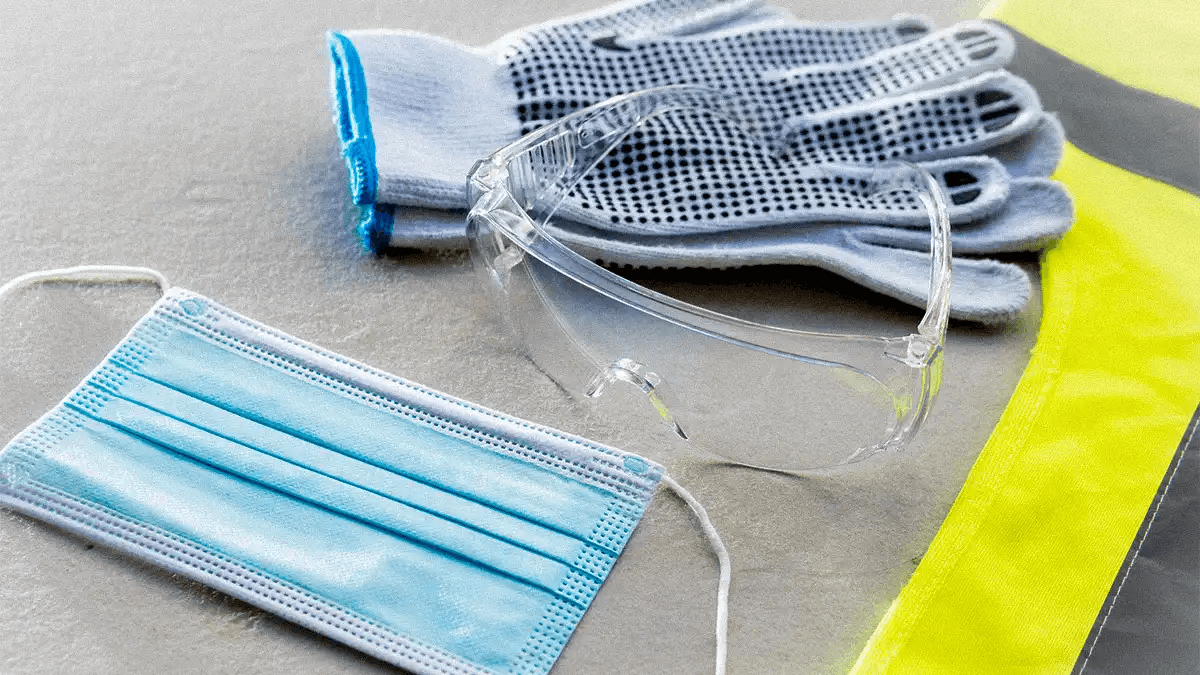
The basic elements of PPE include protection of a person’s eyes, airway, skin, hands and feet:
- Eye protection often means a face shield and/or safety goggles to guard against gases and liquids
- Respiratory protection options include surgical masks and respirators
- Skin protection comes in various forms, including protective clothing or coveralls – but the most coverage is provided by a full-body biohazard suit
- Hand protection may consist of disposable latex (natural rubber) or nitrile (synthetic rubber) gloves
- Foot protection may involve wearing special footwear, such as slip-resistant waterproof boots or chemical-resistant shoe covers
Here is a good rule of thumb: PPE should provide enough chemical and biological protection to address the risk level and specific threats of the job. But it should also be comfortable enough to prevent overheating or restriction of movement.
Of course, the type of PPE required varies depending on the specific hazards present in a restoration project. Refer to IICRC Standards for detailed instructions.
Guidelines for Selecting, Using and Maintaining PPE
1. Selection
Be sure to:
Conduct a thorough risk assessment to identify all potential hazards in the work environment
Choose first-rate PPE that meets industry safety standards (e.g., OSHA, IICRC)
Ensure PPE is appropriate for the specific hazards identified (e.g., chemical-resistant suits for chemical spills)
2. Usage
Providing PPE is not enough. Make sure your business also does all of the following:
Offers comprehensive training on the correct use of PPE, including procedures for donning and doffing PPE (e.g., the proper donning ppe order to follow)
Distributes written descriptions of those techniques in a Standard Operating Procedures (SOP) document
Explains the risks of non-compliance
Makes standard PPE easily accessible and well organized
Ensures a proper fit on each employee to maximize protection and comfort
Requires safe disposal of single-use PPE and proper cleaning and disinfecting of reusable PPE (e.g., boots and respirators) to prevent contamination
Conducts emergency drills to keep employee knowledge sharp
Communicates emergency procedures in case of PPE failure or hazard-exposure incidents (e.g., respiratory exposure during black mold mitigation)
Performs regular audits and inspections to ensure adherence to PPE protocols
Invites employee input, such as reports of issues and suggestions for improvements
3. Maintenance
Uphold these rules:
Regularly inspect PPE before and after use to check for damage or wear
Clean reusable PPE according to the manufacturer’s instructions to maintain its integrity and effectiveness (cleaning PPE effectively is a critical step)
Store PPE in a clean, dry place to prevent contamination and damage
Replace PPE that is damaged, worn, or past its expiration date to ensure optimal protection
Why and How to Document PPE Protocols and Uses
It’s important to put protocols in writing.
This ensures consistency in safety practices, facilitates compliance with regulations, streamlines training and onboarding processes, and aids emergency preparedness. So how should you go about it? Well, documenting protocols is easy to do if you have an appropriate restoration-work app. For example, you can use the magicplan app to create custom checklists to enforce standard PPE procedures for specific projects – e.g., mold remediation jobs or hazardous waste cleanups. This helps ensure that all safety protocols are followed.
It’s also crucial to document PPE uses at jobsites.
This protects against liability with regard to worker and occupant safety. For example, the magicplan app
enables individuals to:
Sketch a floor plan of each hazard scene quickly and accurately in real time
Mark up the floor plan to identify high-risk areas where specific PPE is required (to communicate clear warnings and reminders for everyone involved in the project)
Annotate the floor plan to point out decontamination zones, storage of hazardous materials, and locations of emergency exits
Insert detailed notes about decontamination, cleaning and disposal procedures to be used
Quickly share the completed sketch with team members to clearly communicate all key safety information, and to elicit their questions or comments
Take photos and attach those to the sketch to document PPE used onsite (providing visual proof of compliance and proper safety measures)
Create and submit a final report, which is vital for insurance and legal purposes
Wrap-Up
Ensuring the health and safety of employees who handle hazardous materials is an essential aspect of restoration management. You can significantly reduce risks associated with their work by understanding the importance of PPE, selecting the right equipment for various scenarios, following PPE guidelines for best practices, and documenting PPE protocols and uses with a versatile app.
READ MORE:
How to Build a Resilient Restoration Business Based on IICRC and OSHA