How to Plan a Plumbing Reconfiguration for a Home Remodel
Umbau
5 min read
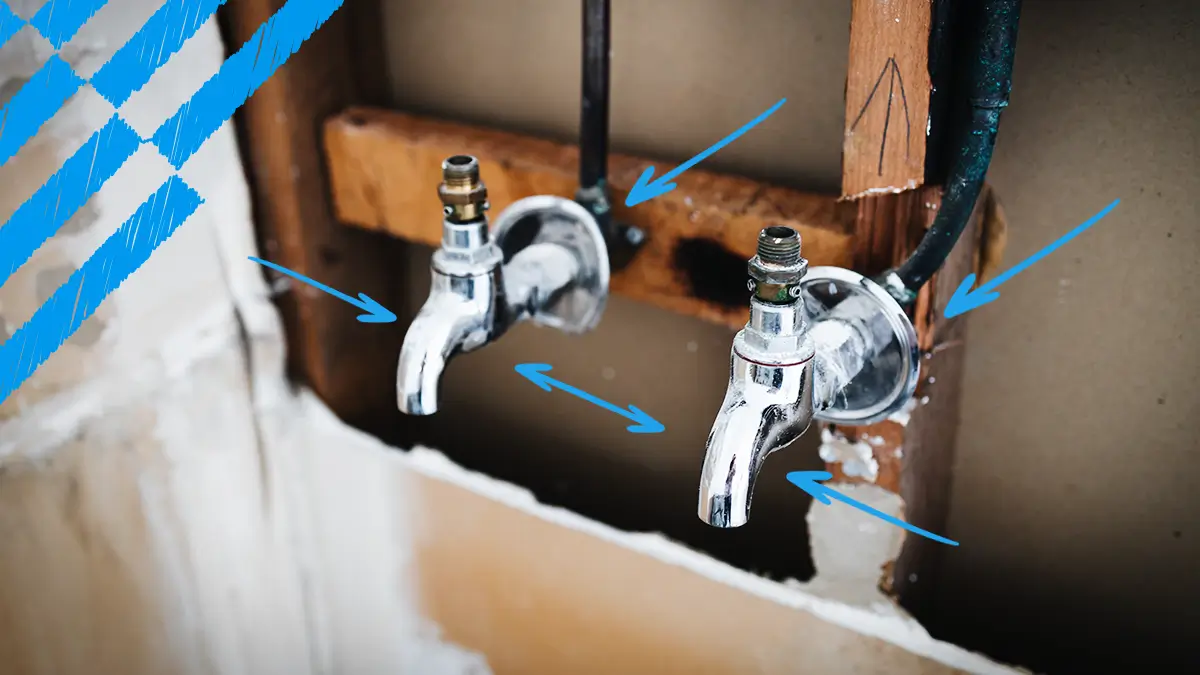
Changing the plumbing footprint during a kitchen or bathroom remodel requires some careful planning. That’s because the further you move fixtures and appliances away from existing pipes, the more complicated the plumbing becomes. So, here are some steps you can take to help minimize headaches and hassles.
Assess the Homeowner’s Current Plumbing System
As you work on planning a remodel, you’ll want to make sure your customer’s existing plumbing system is in good condition. This step will help you avoid any annoying surprises later on. And it can help you assure a high-quality remodel for the homeowner. For example, if you see signs that a home’s pipes are old and corroded, you may have to recommend installing new ones as part of the remodeling project. Or, if you discover leaks, sewer-line problems or other issues, you may have to make some repairs.
Always Examine the Easiest Option
The easiest option for a reconfiguration is to run piping through paths that have already been designed for plumbing, since those were created to accommodate long piping tubes. This is much less costly and less time-consuming than creating new pathways.
Another option is to design a new plumbing layout around floor joist locations. You can move almost any large fixture, as long as the new configuration allows drainpipes to run between and parallel to the joists. Just make sure all new drain lines conform to local building codes. Also, since floor joists help support the structural integrity of a house, you should never cut those in order to install new drains.
Reconfiguring plumbing lines through floor joists shouldn’t be too difficult if the customer’s home has a basement. But if the home sits on a slab, rerouting a drain line can be a major project. It will involve breaking out concrete to tie the new drain into the home’s main drain.

Check Permit and Code Requirements
Most counties require a permit any time significant plumbing work is done. So, you will probably need to secure one before any work begins.
It’s also important to be aware of all current building codes that apply before you starting planning a plumbing reconfiguration. This will help ensure that your finished project get a “thumbs up” from a local building inspector. The inspector will be responsible for ensuring that your work is in compliance with national, state and local ordinances.
Consider These Critical Aspects Before You Create a Plan
For a Kitchen Remodel:
Think About the Sink: Moving a sink a short distance from its original location is, typically, not a complicated task. However, if your reconfiguration requires big changes for the sink’s drain and vent, you’ll need to invest more thought, time and effort. Ultimately, you want to ensure that the newly installed sink will drain well when your project is completed.
Look at What’s Needed for New Appliances: Will you be installing a dishwasher in a kitchen that currently does not have one? Or does the homeowner want you to route water to a new refrigerator that features a water dispenser and ice maker? Changes such as these require some careful planning.

For a Bathroom Remodel:
Determine Where to Position the Lines: The usual practice is to position water-supply lines and drain lines on interior walls. This avoids placement on exterior walls, where lines are subjected to temperature fluctuations.
Think About Sink Placement: Moving the hookup for a sink is often the easiest and least expensive part of a reconfiguration, as long as you reposition the sink on the same wall where it was previously located.
Decide What to Do With the Loo: Moving the toilet can add to the expense of a bathroom plumbing remodel, due to the amount of work required. You’ll need to consider several aspects, including the slope for the waste drain and whether the floor joists will accommodate the new toilet placement.
Prepare to Tackle the Tub: This involves relocating the cold- and hot-water feeds, as well as reconfiguring the water drainage and making sure the slope is correct. You’ll also need to pressurize the new water feeds, install the new tub fixtures, check for leaks, and make adjustments, if necessary.
Assure a Ship-shape Shower: Relocating a shower is somewhat challenging since it also involves moving pipes. You’ll have to consider the drainage system and the type of shower system to be installed. It may be a stationary shower head, a multi-function shower head with a handheld sprayer, or a setup that’s even more complex (e.g., one that has luxurious body-spray jets).
Draw Your Residential Plumbing Plan… Digitally
After completing all of the steps listed above, you’re ready to create an actual plumbing plan for the room that is going to be remodeled. This plan should be a birds-eye floor diagram drawn to scale, with all of the reconfigured plumbing clearly marked. In other words, it should show all plumbing fixtures, as well as all of the piping for freshwater coming into the room and waste going out.
The best way to sketch a diagram like this is with project visualization software loaded on a mobile device. High-quality digital software will have automated measuring and sketching capabilities that allow you to design a new floor plan in a matter of minutes. And you’ll be able to drag and drop preset symbols and lines to fill in the plumbing details.
It’s a fast, easy and effective method for planning any plumbing reconfiguration. Plus, you can use your digitally drawn plan for three other purposes:
1. to present a clear scope of work to your customer
2. to help you develop an estimate for labor and materials
3. to guide the actual work when your project is underway
Conclusion
Reconfiguring plumbing is a good idea if it can improve the appearance and functionality of a kitchen or bathroom remodel. And it doesn’t have to be an overwhelming process. The key to making the actual work go well is to walk through some preliminary steps and develop a plan ahead of time. Do that, and you will help ensure that your overall project is successful!
Continue reading our guide on how finish carpentry can improve a remodel.
Or find out how to estimate a kitchen remodel.
Share
Assess the Homeowner’s Current Plumbing System
Always Examine the Easiest Option
Check Permit and Code Requirements
Consider These Critical Aspects Before You Create a Plan
Draw Your Residential Plumbing Plan… Digitally
Conclusion

Bernd Wolfram
CPO