11 Mistakes to Avoid When Remodeling Customers’ Kitchens
Umbau
4 min read
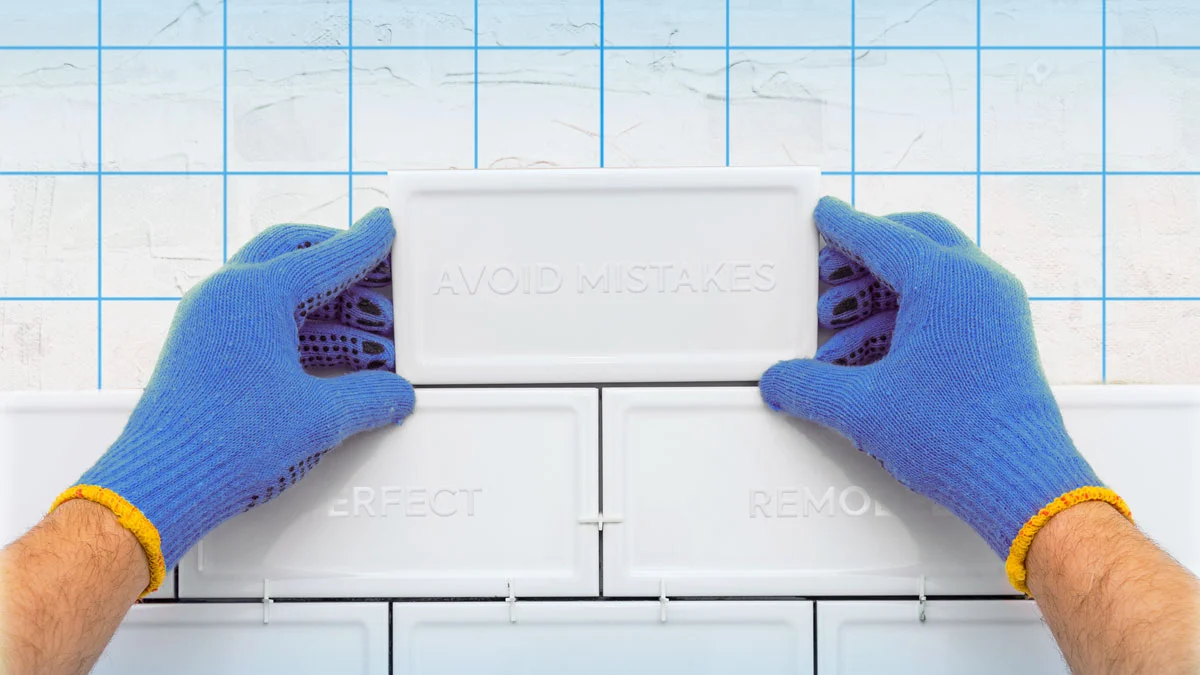
Even just one major mistake can result in an unhappy customer. That’s why your reputation relies on knowing what big errors to avoid. Here are some common ones to dodge during every kitchen remodel.
1. Lack of Planning
There’s no away around it: The success of every kitchen remodel relies on proper planning. And proper planning relies heavily on getting the customer’s input.
Practical advice: The best kitchen remodeling ideas are rooted in customer needs. So, ask a lot of questions. Listen to your customer. Figure out how you can accommodate their requests while also recommending ways to make the most of their kitchen space. Then create a plan using your professional design skills. And get customer approval of that plan before any work begins. This should help prevent the need for any change orders, which can severely impact the average kitchen remodel cost.
Overcrowding
Failing to include enough circulation space can make a kitchen feel cramped and less functional. It also may restrict the number of people who can use the kitchen at one time. Individuals must be able to navigate and maneuver around each other.
Try this: Determine traffic patterns that will move in, out and around the room. Then factor in enough space to allow people to circulate comfortably.
3. Inaccurate Measurements
There are two ways this can happen: measuring with an unreliable tool or misreading measurements. Using an old-school measuring tape can be clunky and imperfect. And reading measurements incorrectly can happen when you feel tired, rushed or distracted.
Solution: Let modern tools do the measuring for you! All you need is a mobile device and a high-quality floor plan app that detects and captures room measurements automatically.
4. Bungled Backsplash Tiling
Any of these tiling mistakes can detract from the beauty and durability of a new backsplash:
Assuming the customer wants subway tiles, when so many other options are available.
Not ordering enough tiles, and then discovering the extras you need aren’t available.
Failing to confirm the proper tile orientation with the customer: horizontal, vertical or diagonal.
Using white grout near the stove (because it can absorb grease and grime).
Ending the backsplash height or width too abruptly, which weakens the overall aesthetic.
Think it through: The backsplash is an integral part of the overall kitchen composition. Therefore, be sure to focus some time on planning every detail of the tiling process.
5. Relying on Rough Sketches
Crude, hand-drawn sketches are inadequate for addressing kitchen-design challenges, and poorly represent your vision for a project’s completion.
An alternate method: Sketch better and faster with a floor plan app. A good app will use augmented-reality technology to sketch an entire kitchen space cleanly and quickly. You can modify your digital sketch by adding features, annotations and objects, and then include the final version with your customer contract.
READ MORE: 10 Reasons Why You Should Be Creating Digital Sketches On-site
6. Underestimating Adequate Storage
Good storage is essential for a functional kitchen. Every homeowner needs enough space to store a vast array of kitchenware, including pots, pans, small appliances, containers, dishes, bowls, utensils, utility knives, glassware, flatware and numerous other items. Storage for pantry staples and seasonings also must be contemplated carefully. And what if your customer wants to stash other things in the kitchen as well? Cookbooks perhaps? Maybe a few wine bottles? Or a coffee cup collection? You won’t know if you don’t ask.
So, ask away: Discuss the topic of storage early on with each customer and ask for a complete list of everything they want to store in their kitchen. Then determine how to create a storage place for every item. You’re sure to come up with some creative solutions. Ceiling-height cabinets, lazy susans, stairstep spice racks, pot-and-pan drawers and built-in pantries are just some of the many options available for today’s modern kitchens.
7. Overlooking the Work Triangle
In each customer’s kitchen, the sink, stove and refrigerator should form three points of a triangle. This is the core area where most work takes place, and it needs to be designed sensibly.
Guidelines: Make the triangle as compact as possible to conserve steps, yet not so close that you’re sacrificing precious counterspace. Also, don’t place anything in the path of the triangular flow of movement. And make sure cabinet and appliance doors can be opened freely without knocking into something. Following these design principles will ensure that the core work area is efficient and easy to use.
8. Not Fashioning Functional Counterspace
Countertops are generally are used for three purposes: food preparation, cleaning up, and accessing commonly used items. For instance, flat surfaces are essential for food preparation, and having multiple work areas is ideal. Allowing space for a drying mat or dish drainer is necessary for items that must be washed by hand. Plus, extra countertop space must be available to accommodate everything your customer wants left out in the open – e.g., a toaster, a coffeemaker, canisters and a crock full of kitchen utensils.
Quiz your customer: For example… How do you use each countertop work area in your current kitchen? Do you generally prepare small meals or large meals? Do you bake often? Do you ever set out a cookbook or tablet so you can follow a recipe? What everyday items do you intend to leave out on your counters?
9. Forgetting to Configure the Lighting
The subject of lighting is sometimes overlooked during kitchen renovations. But treating lighting as an afterthought may produce haphazard results. That’s why it should be planned well before any kitchen demo work begins.
Helpful tips: During the design stage, figure out how to incorporate general lighting (such as ceiling can lights), task lighting (to brighten each workspace), and perhaps some accent lighting (for a warmer nighttime effect). Determine the exact locations where each type of light is needed, striving for an overall lighting schematic that is both pretty and practical.
10. Not Installing Enough Outlets
Like lighting, electrical outlets are also easily overlooked. But ample outlet placement is essential for a fully functioning kitchen.
Plug into the homeowner’s needs: During the kitchen design stage, determine where an outlet is required for every large appliance your customer wants. Then also plan outlets for their everyday countertop appliances and also occasionally used appliances (mixer, blender, coffee grinder, etc.). They will appreciate having multiple places to plug in their stuff – which is far better than having too few outlets.
One More Important Consideration
You’ll definitely want to avoid the kitchen remodeling mistakes listed above. But also don’t forget to look at the big picture. This means making sure all elements – including appliances, cabinets, countertops, tiles, flooring, fixtures, lighting and other details – fit together as a harmonious whole. That helps ensure that your customer will love the final outcome!
Improve your remodeling workflow using our helpful processes for managing employees.
Or look into our marketing tips for residential contractors.
Share

Bernd Wolfram
CPO