How AI Actually Saves Time in Restoration Work
Restoration
5 min read
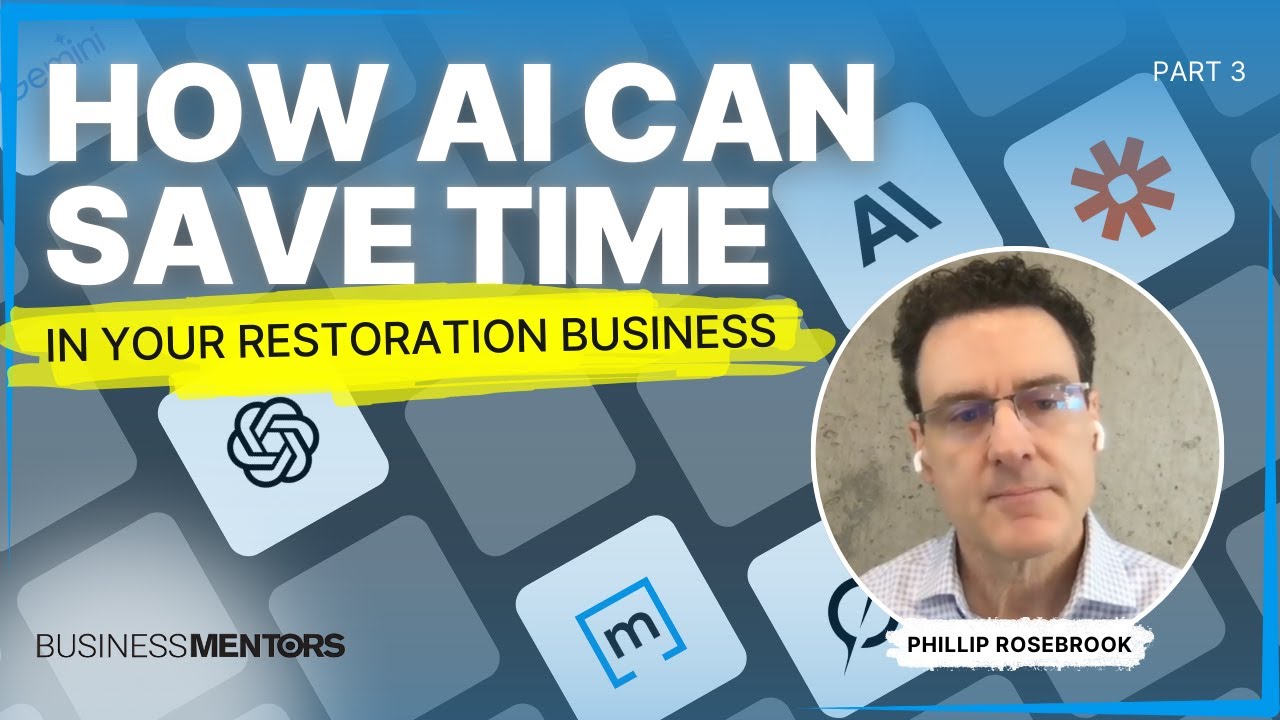
Watch the video on YouTube - Everybody’s talking about AI, but most restorers are still trying to figure out what it actually means for their business. If you’re wondering whether you’re missing out—or just missing the point—you’re not alone.
Phillip Rosebrook from Business Mentors put it simply: AI is real, it’s useful, and it’s already here. But most of what matters isn’t some futuristic magic. It’s about using tools that actually save you time today.
You’re Probably Using AI Already (Without Realizing It)
Most restoration owners don’t think they’re using AI—but if you’ve got modern tools on-site, you probably are. Companies like magicplan are building AI into the day-to-day stuff that actually matters:
Smart sketching with computer vision
In-field documentation support
On-the-job guidance and consistency
“Whether you think you're using it or not, you're using it—and probably quite effectively.”
You don’t have to understand the backend. Just use the tools and take the win.
Where AI Actually Saves Time Right Now
Forget all the buzz. Here’s where AI is really helping restoration teams today:
Writing content like social posts or marketing emails
Drafting contracts, NDAs, or reports in minutes
Summarizing scope notes or documenting jobsite info
Creating scheduling reminders and follow-ups
“Just have it open on your desktop. Play with it. Five minutes a day.”
That’s it. No full-day training. No tech overhaul. Just small steps that speed up your routine.
Use What’s Built for the Field—Not Just the Office
This isn’t about using ChatGPT for writing blog posts. It’s about real features that work where the job happens. One example?
magicplan’s Voice Capture. While you walk the site, you just talk through what you’re seeing. The app captures your voice and turns it into text. No more scribbled notes or trying to remember what you saw later.
That text becomes part of your job record. You can use it to build your reports, keep track of what happened, and save time back at the office.

Don’t Overthink It—Just Start Small
You don’t have to be an expert in AI to start using it.
Give your team a challenge: “Find 3 ways we can use AI in the next 30 days.” Let them try stuff out. Maybe they:
Use it to clean up their daily notes
Generate simple customer messages
Draft a job update email
It doesn’t have to be big. Just helpful.
LEARN MORE: AI for Restorers & Adjusters: Boosting Efficiency with 10 Key Examples
What’s Coming Next: Smarter Field Guidance
Phillip mentioned what’s likely coming soon: tools that help techs in the field in real time. That could mean:
Highlighting key areas to document during an inspection
Offering reminders about missing data
Even real-time training during a sketch
“You might not need a separate tech manual if the app shows you how to do the work.”
These features aren’t about replacing people. They’re about helping your team avoid mistakes and get through jobs faster.
Stay Grounded: Use AI, But Don’t Get Lost in It
Phillip said it best: you run a restoration company. That’s the priority. AI can help, but it shouldn’t be your whole focus.
“Take care of business, but keep an eye on what’s coming.”
Let the software pros build the tools. You just need to:
Use what makes your life easier
Stay curious
Let your team explore what’s useful
Final Word: Real AI That Saves Time, Not Adds Work
AI doesn’t need to be complicated. You don’t need a separate department or a strategy doc. You just need to:
Use tools that already work for restoration
Try small ways to save minutes, every day
Let your crew learn, test, and find what helps
It’s not about being ahead of the curve. It’s about saving time on the job you’re already doing. That’s where the real value is.
READ MORE:
Bridging the Generational Gap in Restoration: Why Experience and Innovation Must Work Together
Share
You’re Probably Using AI Already (Without Realizing It)
Where AI Actually Saves Time Right Now
Use What’s Built for the Field—Not Just the Office
Don’t Overthink It—Just Start Small
What’s Coming Next: Smarter Field Guidance
Stay Grounded: Use AI, But Don’t Get Lost in It
Final Word: Real AI That Saves Time, Not Adds Work

Andreas Böhm
CEO