How to Write Restoration Estimates That Tell the Complete Story
Claims Adjuster
4 min read

Writing a restoration estimate isn’t just about plugging numbers into a program and hoping the check comes in. It’s about telling the story of the job — what happened, what needs to be fixed, and how it’s going to get done, step by step.
Telling a Story is Beneficial for Multiple Reasons
A residential or commercial restoration services estimate written in a clear, logical manner achieves all of the following:
· It helps you make sure that no important details are overlooked, to improve accuracy.
· It helps insurance adjusters, homeowners and subcontractors understand the scope of the loss, the necessary repairs, and the associated costs, to prevent confusion and misunderstandings.
· It minimizes questions, delays and disputes to create a smoother claim approval process.
· It facilitates faster claim wrap-up and payment once your work is done.
· It builds the reputation of your restoration company by establishing it as a credible restoration business that respects the claims estimating process and cares about the details.

So, let’s break down how to write estimates that tell the job story, using a couple different methods.
Here Are Two Common Approaches to Consider
Order of Operations Approach: Laying Out the Work in the Order at Which It’s Done
Think about how a restoration job actually unfolds on site. You don’t have the painter show up before the drywall is hung, and you don’t install baseboards before the flooring goes in. The order of operations approach is all about laying out your estimate in the same sequence the work happens, by trade and by phase. This isn’t just for your own sanity. It’s for the adjuster and the homeowner, too.
When you write your estimate in the order the trades roll through, you’re walking the reader through the job as if they’re there with you. For example, you might start with demo and mitigation, then move to structural repairs (framing, insulation, drywall), then finishes (paint, trim, flooring), and finally specialty trades (HVAC, electrical, plumbing).
This approach is especially helpful on bigger jobs with multiple trades. Keep the structure tight, maintain a logical order, and you’ll have fewer headaches during the adjuster’s review phase.
Top-Down Approach: Working from Ceiling to Floor
Another tried-and-true method is the top-down approach. Here, you start at the ceiling and work your way down to the floor in each affected room or area. This is especially handy for certain jobs, such as water damage restoration or fire damage restoration, where every surface from the crown molding to the baseboard might be affected.
Let’s say you’re scoping a living room. Start with the ceiling (repairs, texture, paint). Then move to the upper walls, windows, doors, lower walls, and finally the floor. This way, you’re less likely to miss something, and your estimate reads like a logical walk-through of the space.
Once again, keep the structure tight and maintain a logical order.
Follow These Helpful Tips to Improve Your Estimate Writing
Bringing It All Together
Writing each restoration estimate to tell the job story isn’t about fancy language or padding the bill. It’s about providing a clear and compelling narrative of the loss and the proposed restoration, ultimately leading to a more satisfying experience for all individuals involved.
Whether you prefer the order of operations or the top-down approach, make good use of professional estimate software that will help you build a story. Keep your headers consistent and your line items groups. And always remember: the best estimates are the ones that make it easy for everyone to say “yes.” That’s how you get paid, keep jobs moving, and build a reputation as a pro who knows how to tell the real story of the work.
Too Busy to Write All of Your Own Estimates? Help is Here.
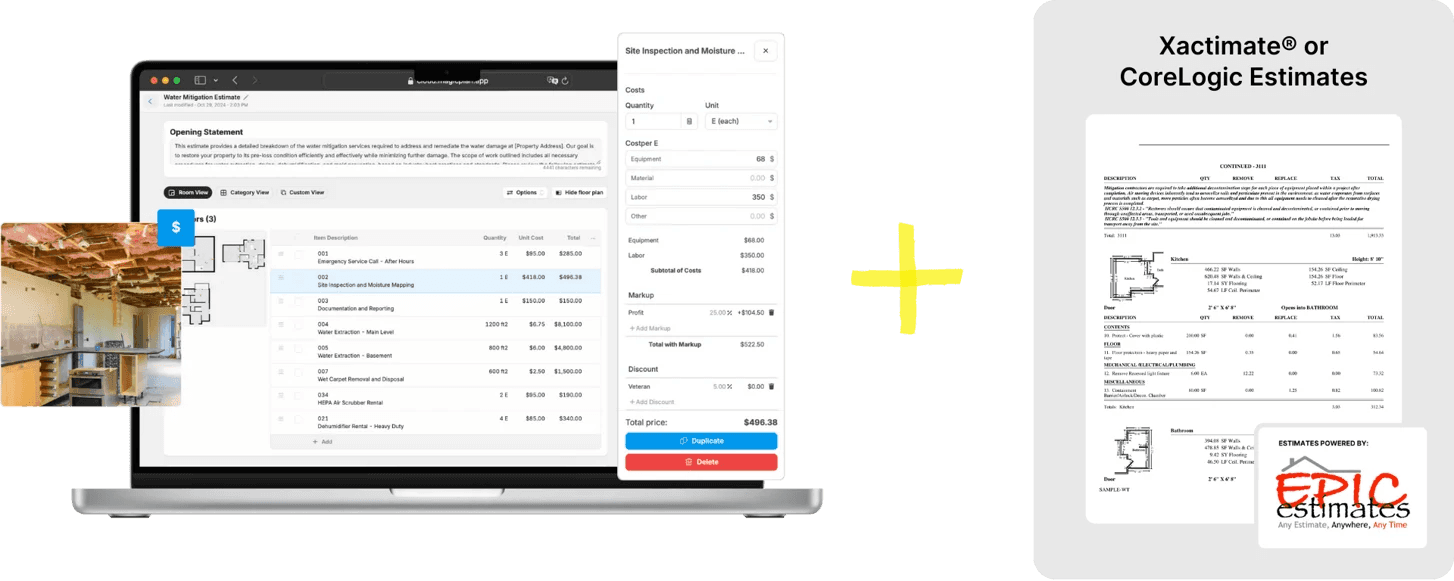
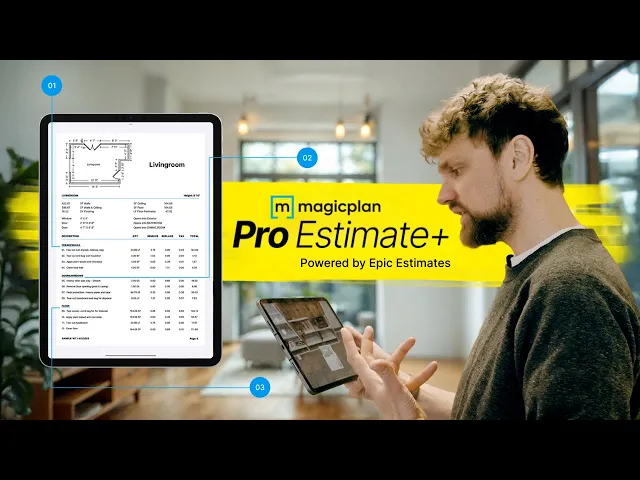
magicplan Pro Estimate+ (Powered by Epic Estimates) comes with a “we’ll do it for you” option: You can send any scope to magicplan and get a ready-to-go, carrier-compliant estimate built by pros using the Xactimate program or Cotality software. Schedule a call with our sales team today to learn more about this unique service.
Share