7 Must-Have Tech Tools for Restoration Pros in 2023
Restoration
5 min read
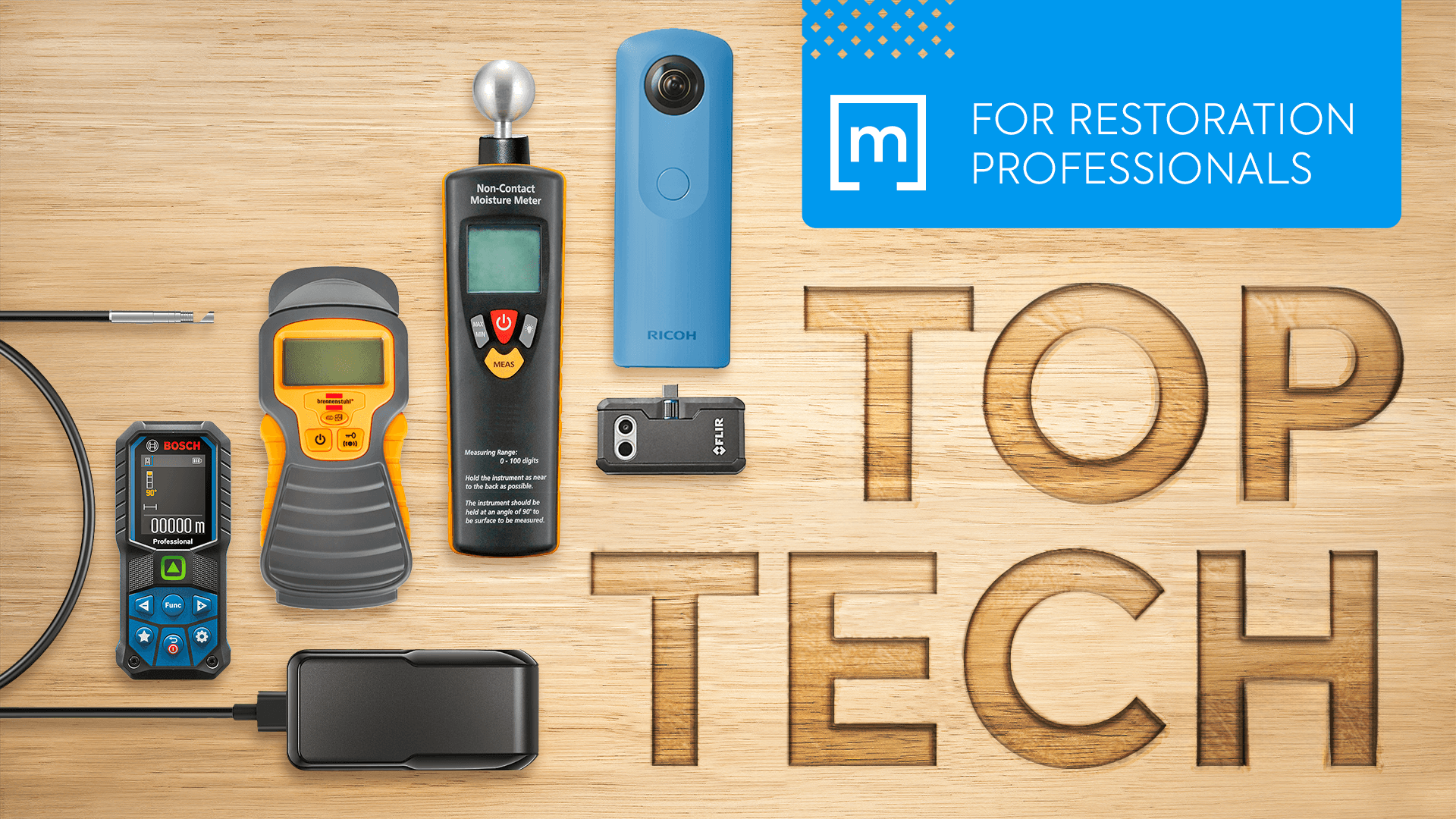
The advancement of technology has left no industry untouched, and restoration is no exception. In a world where digital tools are intertwined with daily tasks, embracing the right kind of technology is a crucial step towards ensuring a prosperous business trajectory. Besides the fundamental equipment like dehumidifiers, air movers, and vehicles designated for tackling water, fire, or mold damage, there's a variety of tech tools designed to simplify any restorer tasks while elevating customer satisfaction.
1. Thermal Imaging Camera (e.g., FLIR Camera)
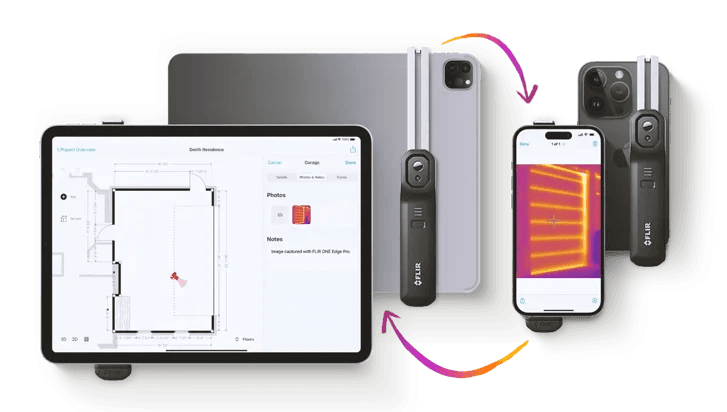
Thermal imaging cameras, like the FLIR camera, are an asset when it comes to the initial assessment of water damage. Unlike regular cameras, they pick up on infrared energy, or heat, and convert it into a visual image. This is particularly valuable when inspecting hidden areas like spaces behind walls, under floors, or above ceilings where water might have intruded.
By detecting temperature differences, they unveil wet, cool areas amidst warmer, dry areas. The precise identification of affected areas enables a more focused and effective drying strategy, ensuring no damp spots are overlooked that might later burgeon into mold problems.
2. Moisture Meter
Following the thermal sweep, the next logical step is to verify the presence of moisture using a moisture meter. This handheld device, when placed against a surface, gives a reading of the moisture level therein. It is instrumental in confirming the findings from the thermal imaging phase.
Besides, it helps in monitoring the drying process, providing quantitative data that is indispensable for both the restoration professional and the client. The ability to provide documented proof of the drying process can also be invaluable in insurance claim situations.
3. Floor Plan Application (e.g., magicplan)
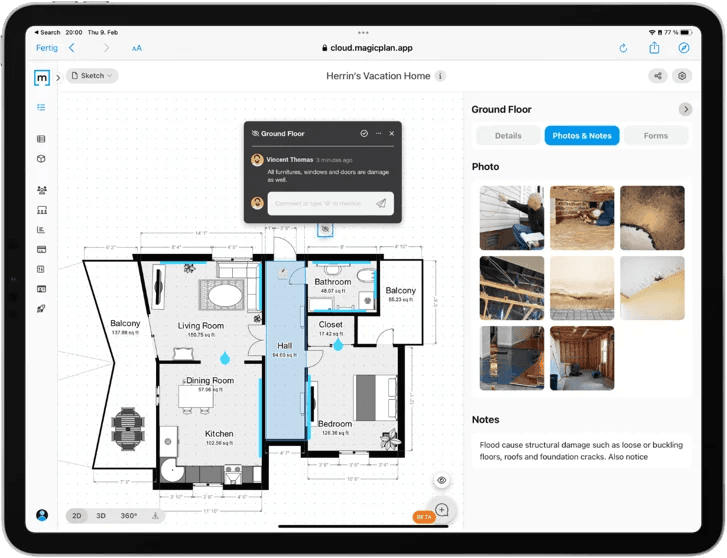
Documenting the extent of water damage and planning the restoration process is significantly streamlined with the use of floor plan apps like magicplan. By simply scanning a room with a mobile device, the app facilitates the creation of a detailed floor plan. This digital representation can be enriched with notes, pictures, and other essential details pertaining to the water damage. Moreover, it can be shared with insurance adjusters, team members, or clients, ensuring everyone is on the same page regarding the extent of damage and the proposed restoration plan.
A critical advantage of floor plan apps like magicplan is their ability to integrate with third-party estimator software like Xactimate® and CoreLogic. This integration accelerates the claims process, allowing for a smoother transition from damage assessment to claims approval, ultimately benefiting both the restoration professional and the client.
4. Bluetooth Laser Meter
The synergy between a Bluetooth laser measuring tool and a floor plan app can substantially elevate the accuracy and efficiency of the floor plan creation process. By syncing the laser meter with the app, restoration professionals can rapidly obtain precise measurements of the rooms, aiding in a more accurate depiction of the affected areas. This combination facilitates a quicker transition from the assessment to the restoration phase.
Watch video: Top 3 Factors to Consider Before Buying a Bluetooth Laser Measurer
5. 360 Camera
Capturing a holistic view of the affected property is effortless with a 360 camera. It allows for a comprehensive visual documentation that can be pivotal in planning the restoration strategy and communicating the extent of damage to clients or insurance adjusters. When integrated with apps like magicplan, it further enriches the documentation with a panoramic view, providing a before-and-after visual narrative of the restoration process.
6. Borescope (Video Pipe Camera)
When it comes to pinpointing leak sources within pipes, a borescope is a perfect ally. Its long, flexible cable equipped with a light and a camera facilitates a visual inspection of pipe interiors, making leak detection a less daunting task.
7. Thermo-Hygrometer
Monitoring the humidity levels within a space is crucial for effective drying. Thermo-hygrometers provide accurate readings of the humidity and temperature, enabling a controlled drying environment. The data gleaned from these devices aids in adjusting the drying strategy as needed, ensuring a thorough and efficient restoration process.
Conclusion
Having the appropriate tools not only allows for effective assessment and documentation of damage but also enhances the overall satisfaction of your clients. As the restoration industry continues to embrace technological advancements, it is crucial to stay up-to-date with the latest tools to ensure top-notch service delivery and foster business growth.