Starting a Restoration Business: 8 Essential Pieces of Advice
Restoration
4 min read
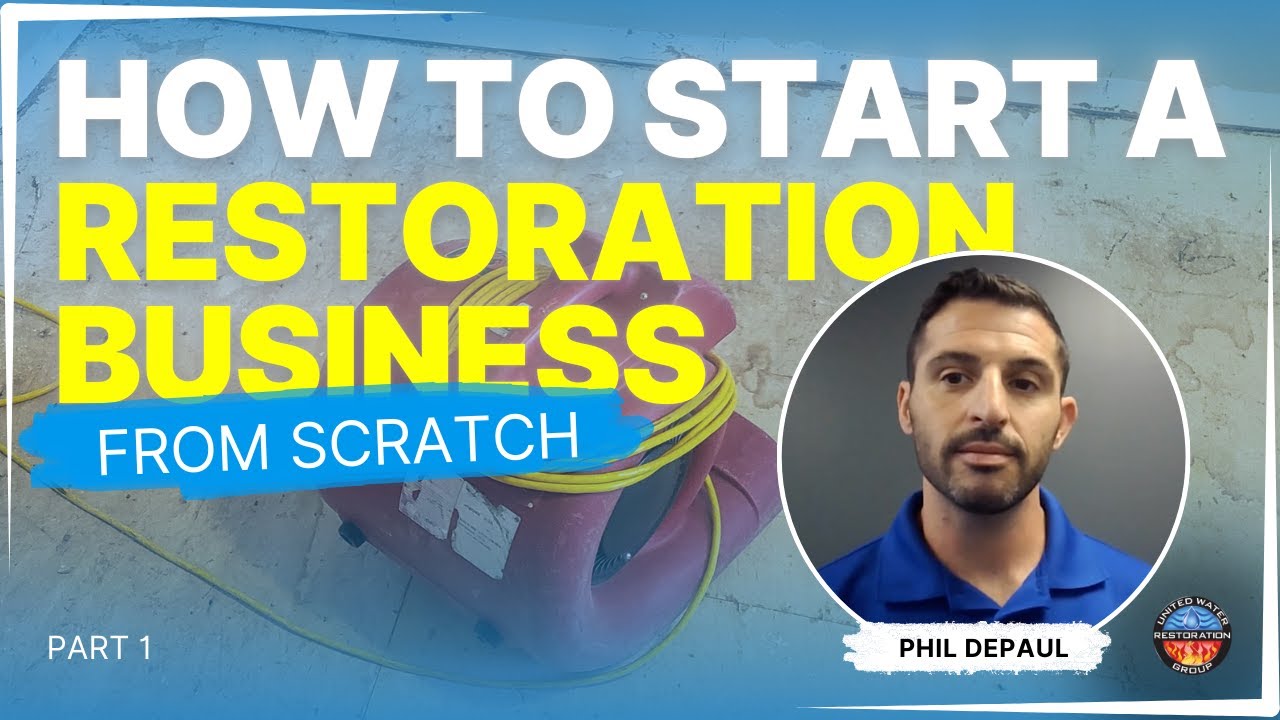
Watch the video on YouTube - Starting a restoration business requires a unique blend of grit, adaptability, and a willingness to learn. The industry is demanding—physically and mentally—but for those willing to dive in, the rewards can be significant. In a recent conversation with Phil DePaul, CEO of BoomZeal Enterprises and owner of United Water Restoration of Long Island, he shared lessons from his years in the industry. Based on his experience, this article breaks down practical advice for anyone looking to start and grow a restoration business, from getting your hands dirty to building a solid team and staying focused.
1. Learn the Business Through Hands-On Experience
If you want to succeed in the restoration business, you’ve got to start by learning it from the ground up. Phil didn’t have a background in restoration when he started, so he jumped in headfirst. He worked alongside his team, sweating it out in hot attics and tackling tough jobs. This hands-on approach not only taught him the technical side of the work but also gave him a better appreciation for what his team faces every day.
Restoration isn’t a desk job. It’s about solving problems in real-time, often in less-than-ideal conditions. By working in the field early on, you’ll gain the experience you need to set realistic expectations for yourself, your team, and your clients. It’s also the best way to understand the day-to-day challenges your business will face
2. Choose a Business Model That Fits Your Market
Selecting the right business structure is one of the first big decisions you’ll face. While going independent offers more control, joining a franchise can provide essential resources and support. For many, including Phil, a franchise offers an appealing foundation—training, industry expertise, and an established system. However, it’s important to recognize that the franchise model isn’t a shortcut to success; it’s a tool, and like any tool, it’s only as effective as the person using it.
Before you make a decision, take a hard look at your local market. What services are needed? What’s the competition like? The best setup is the one that fits the specific needs of your area, whether that’s independent or franchised.
3. Build a Team That Fits the Job
Early hiring decisions can make or break your business. In the beginning, you might need to prioritize filling essential roles quickly, but as your business grows, it’s crucial to raise your standards. Restoration is a high-stakes industry where commitment and reliability are non-negotiable. Employees need to be ready for irregular hours and emergencies that don’t stick to a schedule.
Beyond technical skills, look for team members who can bring value to the organization in other ways, such as offering fresh perspectives or contributing new ideas. Surrounding yourself with people who challenge and inspire you can accelerate your growth as a leader and help your business thrive.
Learn more: How to Build and Grow a Reliable Team in the Restoration Industry
4. Be the Face of Your Business
In the early days, Phil took every call and responded to every lead himself. He showed up to every job, no matter how small. It wasn’t just about getting work—it was about learning the market and building trust with clients.
Being the face of your business early on helps you establish a reputation for reliability. People remember the person who shows up when they’re in need. Over time, you can delegate these responsibilities, but at the start, it’s up to you to make sure the business runs smoothly.
5. Stay Focused
One of the biggest mistakes new business owners make is trying to do too much at once. Phil warns against chasing every opportunity and spreading yourself too thin. “Don’t try to build two businesses at the same time,” he advises.
Start by casting a wide net—taking on different types of work—but as you grow, narrow your focus. Specializing in a particular service, whether it’s water damage or mold remediation, allows you to operate more efficiently and stand out in a competitive market.
6. Build Industry Relationships
Collaboration is an often-overlooked aspect of running a restoration business. Viewing competitors as allies rather than threats can open doors to shared resources, referrals, and industry insights. Building these connections can strengthen your position in the market and help you weather challenges more effectively.
Franchise systems, if you’re part of one, offer a built-in network of like-minded professionals. Leveraging these relationships for advice and support can provide invaluable guidance, especially in the early stages.
7. Commit to Continuous Improvement
Restoration businesses that thrive are those that never stop improving. Whether it’s adopting new technology, refining operational processes, or raising the bar for client service, growth should be a constant priority.
Investing in tools like documentation and sketching software can improve efficiency and enhance the client experience, but it’s important to avoid overloading your operations with unnecessary tech. Every addition should have a clear purpose and directly support your business goals.
Improvement isn’t just about operations—it’s about leadership too. Staying curious, learning from others, and being open to change are key to long-term success.
8. Be Ready for the Long Haul
The restoration industry isn’t for the faint of heart. It’s a 24/7 commitment that demands both physical and mental resilience. The first year, in particular, can feel like a trial by fire as you navigate challenges and build your client base.
However, those who push through the initial hurdles often find the rewards to be worth it. The experience and knowledge gained during this time form the foundation for future growth and stability.
Conclusion
Starting a restoration business is tough, but it’s also one of the most rewarding things you can do. By getting your hands dirty, choosing the right business model, building a strong team, and staying focused, you can set yourself up for success.
As Phil says, it’s not about being perfect—it’s about making progress. With the right mindset and a commitment to learning, you can build a business that’s not only profitable but also sustainable for years to come.
SEE HOW YOU CAN PRODUCE DETAILED REPORTS WITH YOUR MOBILE DEVICE
Share