Mold Remediation: Everything You Need to Know About Managing Mold
Restoration
5 min read
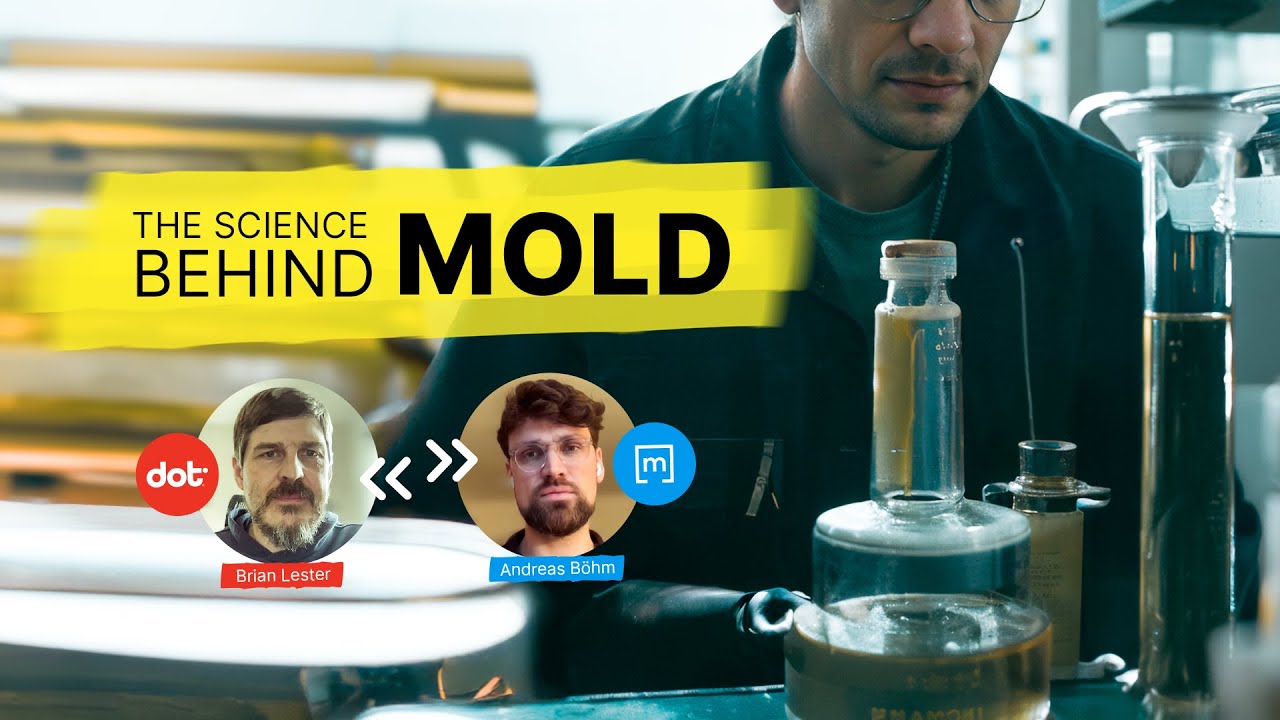
Watch the video on YouTube - Mold exists everywhere—both necessary for natural decomposition and problematic when it invades our homes. In a recent conversation, Brian Lester, a mold remediation expert from Dot Cleaner with 25 years of experience, shared some new ways to think about managing mold after having worked on everything from small homes to large commercial buildings. Let's dig into it.
What is Mold Remediation?
Mold remediation is the process of managing and controlling mold levels in buildings to prevent health problems and structural damage. Mold is a natural part of our environment, and the goal of remediation is to control it effectively, not to eradicate it completely.
Key Steps in Mold Remediation:
1) Inspection and Assessment: Identify areas of mold growth and the extent of the problem and find the source of moisture contributing to mold growth.
2) Containment: Isolate the affected area to prevent mold spores from spreading, using barriers and negative air pressure.
3) Air Filtration: To improve indoor air quality, use HEPA filters and air scrubbers to remove mold spores from the air.
4) Removing Mold and Mold-Infested Materials: Clean mold from surfaces using appropriate cleaning agents and dispose of materials that cannot be adequately cleaned.
5) Cleaning and Sanitizing: Thoroughly clean and sanitize the area to remove any remaining mold spores.
6) Restoration: Repair or replace materials damaged by mold and ensure the area is restored to its original condition.
Why is Mold Remediation Important?
Health Protection: Mold spores, even when dead, can cause respiratory problems and other health issues. Proper remediation protects the health of building occupants.
Prevent Structural Damage: Mold can damage building materials, leading to costly repairs. Effective remediation prevents this damage.
Maintain Indoor Air Quality: Reducing mold spores in the air improves indoor air quality, making the environment healthier for occupants.
Challenges in Traditional Mold Remediation
1) Overuse of Chemicals in the Industry
In the mold remediation business, there’s a heavy reliance on chemicals to get the job done. Many believe that using more chemicals ensures better results, but this isn't necessarily true. The excessive use of chemicals can actually be more harmful than beneficial. Not only does it fail to address the root cause of mold growth, but it also introduces new risks to both the environment and the people involved in the remediation process.
Brian has seen firsthand the dangers of traditional mold remediation methods. As the president of Indiana Mold Remediation, he has dealt with numerous cases where chemical burns and other health issues were a direct result of using standard cleaning products. For instance, he’s had team members suffer from burns caused by chemical spills or improper handling of these harsh substances.
Learn more: How to Ensure Accurate Cleaner Usage in Mold Remediation Cleanup
2) Health Hazards from Traditional Cleaning Products
Traditional mold cleaning products often contain harsh chemicals that can pose serious health risks. These chemicals can cause chemical burns, toxic reactions, and long-term health issues for those exposed. For example, chemical burns can occur around gloves and masks, leading to skin irritation and more severe injuries. Prolonged exposure to these toxic substances can also impact respiratory health and overall well-being.
3) Need for Safer Alternatives
There is a desperate need for reducing the amount of harmful chemicals used in mold remediation. The goal is to find cleaning solutions that effectively manage mold without posing health risks. Safer alternatives can help protect both workers and building occupants, and they should also be easy to transport and store.

Evolution of Mold Remediation Techniques
In response to the challenges posed by traditional mold remediation methods, innovative solutions have emerged. One such advancement is Tamil technology and its latest product, NT7 (new tamel number seven). This technology represents a significant shift in how we approach mold remediation, focusing on safety and effectiveness without relying on harmful chemicals.
Biomimicry: Mimicking Natural Enzyme
Tamil technology leverages the concept of biomimicry, which involves mimicking natural processes to solve human problems. In this case, it imitates the action of enzymes found in the human body that naturally break down contaminants. The technology is based on an enzyme called peroxidase, which the body uses to remove different contaminants from the bloodstream. By replicating the active part of this enzyme, Tamil technology can be used outside the body to break down mold and other pollutants effectively.
Benefits of Modern Cleaning Products
Modern cleaning products like Dot Cleaner, developed using this technology, offer several advantages over traditional chemicals:
Dry Form: These products are easy to transport and store, unlike many traditional liquid cleaners.
Safety: They significantly reduce the risk of chemical burns and other health issues associated with conventional cleaning agents.
Effectiveness: Despite being safer, they still provide deep and thorough cleaning, effectively removing mold from surfaces.
Dot Cleaner products can be used as the primary cleaning agent in mold remediation. They are especially effective between HEPA vacuuming stages, reducing the effort and time involved in the cleaning process. These products also help replace high-strength hypochlorite solutions, which are commonly used but pose significant health risks.
Industry Trends and Future Outlook
1) Growing Concern About Mycotoxins
In recent years, there has been increasing concern about mycotoxins, which are toxic compounds produced by certain types of mold. These toxins can pose serious health risks, including respiratory issues and other long-term health problems. As awareness grows, the mold remediation industry is placing more emphasis on addressing mycotoxins in their processes.
2) Adoption of Oxidation Technologies
Oxidation technologies are becoming more prevalent in mold remediation. These methods use chemical reactions to break down mold at a molecular level, effectively destroying mold spores and preventing regrowth. Unlike traditional methods that rely on toxicity, oxidation processes physically dismantle the mold, reducing the risk of resistance and ensuring more thorough remediation.
3) Increased Scrutiny and Regulation
The mold remediation industry is facing increased scrutiny and regulation. There is a growing demand for higher standards and more stringent practices to ensure the safety and health of both workers and building occupants. This shift is driving the adoption of safer and more effective remediation techniques.
Learn more: All About the ANSI/IICRC S520 Standard for Professional Mold Remediation
4) Emphasis on Environmental Impact
There is a growing focus on the environmental impact of mold remediation practices. The industry is moving towards more sustainable methods that minimize environmental harm. This includes the use of biodegradable cleaning agents and processes that reduce the release of harmful chemicals into the environment.
5) Training and Certification
As the industry evolves, there is an increasing emphasis on proper training and certification for mold remediation professionals. Ensuring that contractors are well-trained and knowledgeable about the latest techniques and standards is essential for maintaining high-quality remediation practices.
Learn more: Top 5 Tips for Training Successful Mold Remediation Technicians
Conclusion
The future of mold remediation looks promising, with continued advancements in technology and a greater emphasis on safety and effectiveness. As new products and methods are developed, the industry is becoming more capable of addressing mold issues comprehensively and sustainably. Restoration contractors who stay informed and embrace these innovations will be well-positioned to deliver excellent services in the changing landscape of the industry.
SEE HOW YOU CAN PRODUCE DETAILED REPORTS WITH YOUR MOBILE DEVICE
Or continue with our Key Tools for Restoration Contractors
Share
What is Mold Remediation?
Challenges in Traditional Mold Remediation
Evolution of Mold Remediation Techniques
Industry Trends and Future Outlook
Conclusion

Andreas Boehm
CEO