How to Build a Restoration Company That Runs Without You
Restoration
4 min read
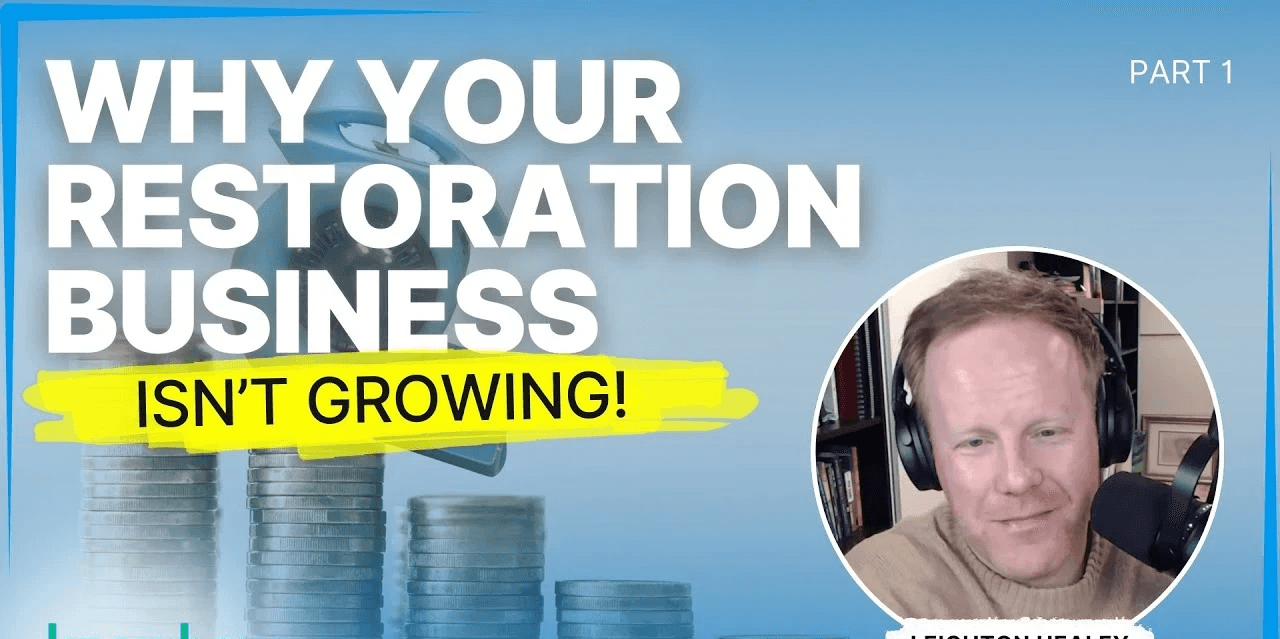
Watch the video on YouTube - Most restoration owners want to grow. They want more trucks, more jobs, more revenue. But what they don’t expect is how fast things start breaking when growth actually kicks in. What used to work with three people in the office and one crew in the field suddenly falls apart with 10 techs and phones ringing all day.
In a straight-shooting conversation with Leighton Healey, CEO of KnowHow, we unpacked the most common mistakes contractors make when trying to scale—and what it actually takes to grow without losing your mind.
Why Growing a Restoration Business Breaks Most Owners
Scaling sounds good—until it starts happening. Then it gets messy.
Here’s what typically falls apart first:
Communication between office and field
Job quality and consistency
Onboarding and training
Owner gets buried in little decisions
The truth? Hustle doesn’t scale. And most companies try to grow by just working harder, not smarter. That’s when problems snowball.
The #1 Mistake: Building the Business Around Yourself
Most owners don’t realize they’ve built a company that can’t run without them. Every call, every approval, every fire to put out—it all comes back to them.
“You’re just building a bigger version of the same problem.” — Leighton
If the business only runs when you’re in the room, then you don’t own a business—you own a job that never ends.
Why Most Restorers Don’t Have Systems (and What That Costs)
No systems means everything’s made up as you go. That might work with a small crew, but as you grow, here’s what happens:
Every job gets done differently
New hires feel lost and quit
Quality drops and callbacks go up
You’re still stuck solving the same problems over and over
Without systems, there’s no consistency. And without consistency, scaling just creates chaos.
What Systems Actually Look Like in a Restoration Company
Systems don’t have to be fancy. They just have to exist.
Here are a few things you can document right now:
How to start and close out a job
What photos to take and how to label them
How to collect payment or get sign-off
When and how to update the customer
How to handle equipment drop-off and pick-up
Don’t overthink it. Just get the steps out of your head and into something your team can use.

LEARN MORE:SOPs Every Restoration Company Needs
How to Build a Company That Works Without You
If you want a business that grows and doesn’t burn you out, start here:
1. Document one repeatable task this week
2. Test it with your crew
3. Adjust it based on real feedback
4. Store it somewhere everyone can access
5. Repeat for your next most common task
It doesn’t need to be perfect. It just needs to be clear, consistent, and used.
Franchise vs. Independent: What Leighton Learned From Both
Leighton scaled fast under a franchise model. Why? Because the systems were already there.
“I didn’t need to guess—I could just follow the system and focus on execution.”
You don’t need to buy a franchise to act like one. Start building your own playbook.
LEARN MORE: Pros and Cons of Owning a Restoration Franchise
The Real Win: Build a Business That Doesn’t Need You 24/7
When your business runs without your constant input, you get options:
Step back without chaos
Train faster with less hand-holding
Keep job quality consistent
Grow without growing stress
“The goal isn’t just growth—it’s getting your life back.”
Scaling isn’t about adding more people and problems. It’s about building something that works without breaking every time you step away.
And that starts by writing things down.
One way to make this easier is using a tool like magicplan. It’s more than just a sketch app—it becomes your all-in-one documentation system. Your field team can capture everything on-site, while your admin team uses that same data to manage estimates, reports, and next steps. You can set up SOPs, forms, and repeatable workflows that your team can follow every time. That means less babysitting, fewer mistakes, and a business that doesn’t need you 24/7 to keep it moving.

Share
Why Growing a Restoration Business Breaks Most Owners
The #1 Mistake: Building the Business Around Yourself
Why Most Restorers Don’t Have Systems (and What That Costs)
What Systems Actually Look Like in a Restoration Company
How to Build a Company That Works Without You
Franchise vs. Independent: What Leighton Learned From Both
The Real Win: Build a Business That Doesn’t Need You 24/7

Andreas Boehm
CEO