Making Plumbing, Electrical, and HVAC Upgrades Easy with Access Panels
Remodeling
5 min read
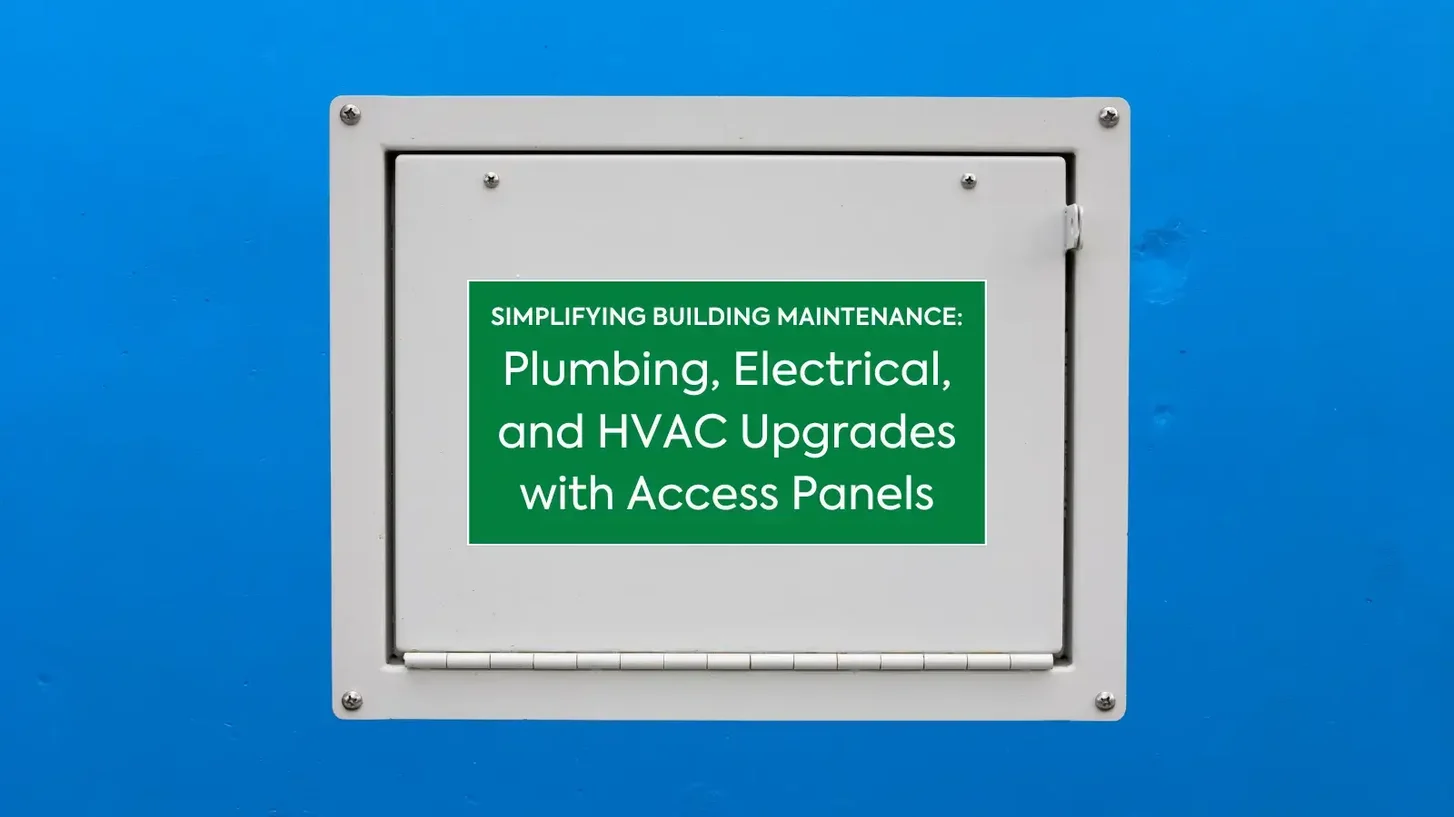
Keeping building maintenance on track is vital for ensuring the longevity of any property. A key but often overlooked champion in this challenge is the access panel, a critical element that supports straightforward inspection and maintenance of building systems.
In this article, we’ll also discuss general-purpose access doors, known for their versatility and practicality—making them ideal for various uses, including plumbing, electrical, and HVAC systems.
Understanding Access Panels and General Purpose Access Doors
Access panels are typically installed within walls or ceilings that allow easy access to plumbing, electrical systems, and HVAC components. General purpose access doors have design versatility, easily fitting various environments and needs. They are particularly valuable in areas where regular maintenance or inspections are required but where visual appeal and system integrity must be maintained.
A key benefit of using general purpose access doors is their ability to blend security with accessibility. They secure sensitive components while allowing authorized personnel to perform necessary maintenance without significant disruptions to the surrounding area.
Whether you're dealing with high-security zones or residential spaces, these access doors provide a balance of protection and functionality necessary for effective building management.
Strategic Benefits of Access Panels for Plumbing Maintenance
Dealing with plumbing systems can often be disruptive. Access panels streamline the maintenance process, making it easier and less intrusive. By strategically positioning access panels near key plumbing lines and fixtures, contractors can offer a thoughtful maintenance solution that reduces the need for extensive dismantling or disruption within the occupied spaces.
Quick diagnostics and repairs become much more feasible, which is particularly important in multi-unit residential buildings or commercial structures where downtime affects many people. Moreover, access panels designed for plumbing applications are typically waterproof and rust-resistant—which ensures longevity and protects against possible leaks or moisture issues.
Integrating these panels during the construction phase or major renovations means that future plumbing upgrades or repairs can be executed with minimal impact on the building’s operations and aesthetics, ultimately preserving property value and functionality.
Learn more: How to Plan a Plumbing Reconfiguration for a Home Remodel
Electrifying Solutions: Access Panels in Electrical Installations
Electrical maintenance demands both accuracy and safety, and access panels are crucial in meeting these needs. General purpose access doors offer straightforward access to junction boxes, wiring, and other key electrical components, facilitating safer and faster routine inspections and urgent repairs.
These doors eliminate the need for major demolition of walls or ceilings, preserving the structural integrity of the building while keeping electrical systems both reachable and secure.
General purpose access doors also improve the safety protocols within electrical setups by simplifying the process of pinpointing and resolving issues. This efficiency helps markedly decrease the likelihood of serious electrical problems or risks.
Constructed to be durable, these access doors can be outfitted with locking mechanisms to limit entry, ensuring that only authorized personnel handle the critical and often hazardous elements they cover. This secure accessibility not only safeguards the building but also ensures adherence to electrical codes and standards.
Learn more: 6 Reasons to Visually Document Electrical Work for Remodeling
Keeping the Air Clear: HVAC Upgrades Made Simpler
HVAC systems are critical to maintaining indoor air quality and comfort, and the inclusion of access panels greatly simplifies maintenance and upgrade tasks. By installing general purpose access doors near coils, filters, and other significant components, HVAC technicians can readily perform inspections, conduct repairs, or replace parts without the need to remove large sections of the wall or ceiling. This not only speeds up the repair process but also reduces the likelihood of damage to the surrounding infrastructure.
The added functionality of access panels enhances overall HVAC serviceability. Well-placed access doors ensure that all components of the system are easily reachable, which promotes regular maintenance and efficiency checks. This accessibility helps in diagnosing issues early, potentially saving building owners from costly repairs or complete system replacements.
Installation Tips and Best Practices
Effective installation of general purpose access doors is crucial for them to function as intended and avoid future complications. Below are several tips and common mistakes to avoid:
Proper Sizing: Ensure the access door is the right size for the area of installation. It should provide ample room for maintenance tasks without being overly large, which could compromise structural integrity.
Right Material: Choose a material that is suited to the environment of the door. For instance, choose materials that resist corrosion for damp locations and select insulated doors for areas requiring temperature control.
Seal Tightly: Ensure the door fits snugly and seals properly to prevent air leaks, especially in HVAC applications. This maintains energy efficiency across the building.
Secure Placement: Install the door in a location that does not compromise the structural elements of the wall or ceiling. Avoid areas directly adjacent to critical structural supports.
Correct Tools and Hardware: Use the appropriate tools and hardware for installation to avoid damaging the door or the surrounding surfaces. Ensure the door has durable hinges and locks if security is a concern.
Avoid Common Mistakes
Not planning the layout before cutting into walls or ceilings
Ignoring building codes and safety standards during installation
Forgetting to check for obstructions (wiring, plumbing, etc.) behind the installation area, leading to costly damages
Maintenance Tips
Regularly inspect the access door for signs of wear and damage, such as rust or loose hinges.
Clean the door and its frame periodically to prevent debris build-up, which can impair its function.
Lubricate hinges and locks as necessary to ensure smooth operation.
By following these, contractors can ensure that the general purpose access doors they install are effective, professional, and compliant with the required standards. This preventive measure not only secures the functionality of the door but also prolongs its life, ensuring optimal performance for extended periods.
Final Thoughts
Choosing the right access panels is not just about fulfilling an immediate need; it’s about planning for ease and efficiency in future maintenance and upgrades. General purpose access doors, specifically, offer versatility that can significantly streamline the upkeep of plumbing, electrical, and HVAC systems. These access solutions allow contractors to address maintenance issues swiftly and effectively, minimizing disruption and downtime—a crucial consideration in any building project.
Continue reading our guide on mistakes to avoid when remodeling customers’ kitchens
Or find out how to estimate a kitchen remodel.
Share
Understanding Access Panels and General Purpose Access Doors
Strategic Benefits of Access Panels for Plumbing Maintenance
Electrifying Solutions: Access Panels in Electrical Installations
Keeping the Air Clear: HVAC Upgrades Made Simpler
Installation Tips and Best Practices
Final Thoughts

Bernd Wolfram
CPO