How to Expand Your Restoration Business to Weather-Affected Regions
Restoration
5 min read
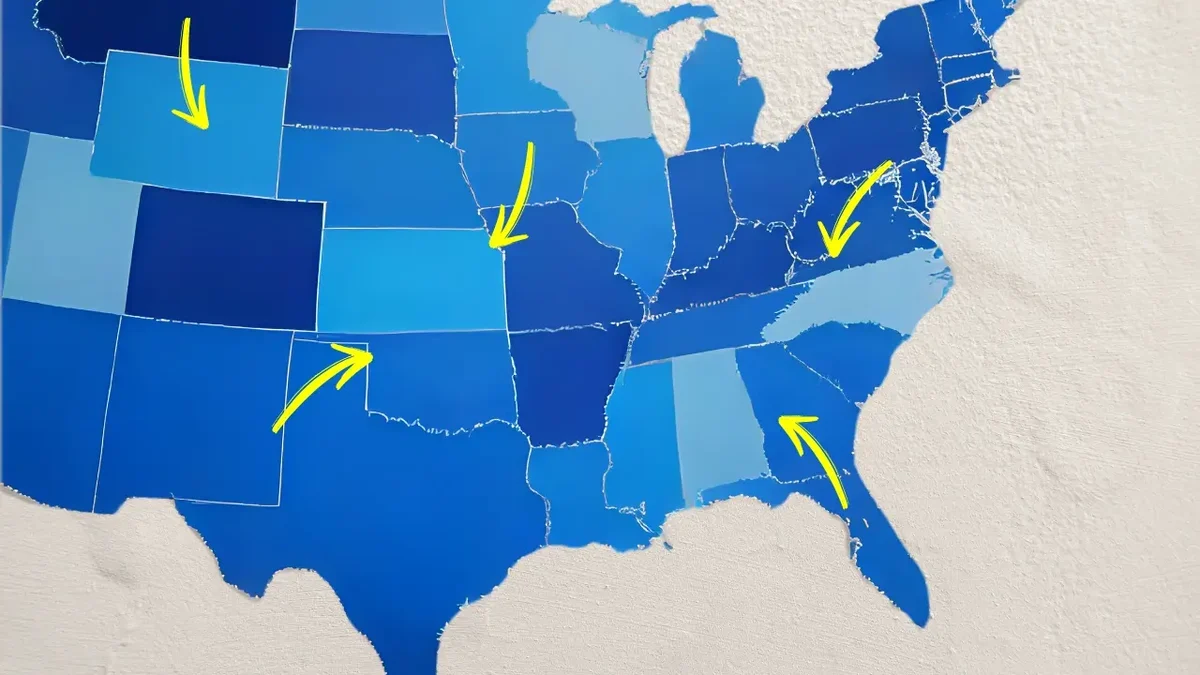
When severe weather hits areas that aren’t prepared for it—like the recent winter storm in the state of Georgia—it creates significant opportunities for restoration contractors. Homeowners and businesses are facing burst pipes, flooding, and water damage, often more than local contractors can handle. That’s where contractors like you step in—not just to grow your business but to help these communities recover from the unexpected damage to their properties.
If you’re considering expanding your restoration business into a storm-affected area, it’s not as simple as throwing a generator in the back of your truck and hitting the road. There’s real planning and effort involved to make it worthwhile and ensure your work holds up to your professional standards. Here’s how to do it the right way.
Step 1: Know If It’s Worth the Effort
Before you commit, take a hard look at the opportunity and your own capacity.
Understand the Scale of Damage
You need to know if there’s enough work to justify moving your operation—whether temporarily or permanently. Check reports of storm damage from local news outlets, insurance claims, or restoration networks. Look for red flags like over-saturated markets or widespread competition.
Evaluate Your Capacity
Be honest about what your team can handle. Do you have enough staff to take on this extra work without burning out your regular crew? Do you have the equipment for cold-weather-specific jobs, like space heaters, dehumidifiers, or pipe-thawing gear? If not, you might need to rent or buy gear, which cuts into your profit.
Factor in Costs
Travel, lodging, extra wages, and permits can eat into your bottom line fast. Do the math before you go, and don’t underestimate unexpected costs like vehicle breakdowns or weather delays. For example, here’s a table outlining some of the key costs a restoration contractor from Florida might encounter when taking on water mitigation jobs in Georgia following a winter storm caused by ice melt or burst pipes:
Step 2: Get Legal and Insured
Crossing state lines for work can be tricky, especially if you’re not familiar with local regulations.
Licensing
Each state has its own rules for contractors. For instance, Georgia often requires a Residential or General Contractor license for certain restoration work. Make sure you’ve got the right paperwork in place before you start advertising or signing contracts.
Insurance
Double-check your liability insurance covers you for out-of-state work. Storm work comes with added risks, like working in freezing conditions or unstable buildings, so ensure you’ve got coverage that protects both your team and your clients.

Step 3: Build Local Connections
You don’t need to show up in a new town as a stranger. Build relationships before you even arrive.
Partner with Local Trades
Plumbers and HVAC companies are often the first to respond when pipes burst or heating systems fail. They’re a great source of referrals if you approach them the right way. Call ahead, introduce yourself, and offer to handle the water mitigation or mold remediation their clients might need.
Work with Insurance Claims Adjusters
Most storm-related jobs involve insurance claims. Reach out to adjusters already working in the area and let them know you’re available. They’re always looking for reliable contractors to refer homeowners to.
Network with Property Managers
Don’t forget commercial and multi-family properties. Apartment complexes and office buildings often face extensive damage during storms, and property managers need restoration pros they can count on. A quick introduction now could lead to a steady stream of jobs.
Step 4: Mobilize Your Team
Storm work is chaotic, so preparation is key.
Assemble a Dedicated Crew
Choose team members with experience in storm restoration and the ability to adapt to unpredictable conditions. These jobs often require long hours, quick thinking, and extra effort, so you need people who can handle the pressure.
Bring the Right Equipment
Cold-weather restoration requires more than just your standard gear. Load up on portable heaters, moisture meters, thermal cameras, and dehumidifiers. Make sure all equipment is in good working order before you leave.
Plan for Logistics
Storm-hit areas can be hard to navigate, with closed roads, power outages, and scarce accommodations. Book housing for your crew early, plan your routes carefully, and always have a backup plan.

Step 5: Market Yourself Locally
Once you’re set up, let people know you’re there to help.
Use Targeted Ads
Run Google Ads and Facebook campaigns focused on the affected region. Highlight your expertise in storm restoration and include images or testimonials from similar jobs you’ve completed.
Local Partnerships
Leave flyers and business cards at hardware stores, plumbing supply shops, and community centers. Even a small effort can go a long way in connecting with homeowners and businesses that need help.
List on Restoration Networks
Platforms like Nextdoor, Angie, and Thumbtack make it easy for local clients to find you. It’s a small investment that can lead to big returns.
Learn more: 9 Ways to Promote Your Winter Disaster Restoration Services
Step 6: Deliver Quality Work
When you do land jobs, make sure your work speaks for itself.
Be Clear About Costs
Storm work can get expensive, and homeowners are often already stressed. Be upfront about your rates, including any travel or emergency fees, and always provide a written estimate.
Document Everything
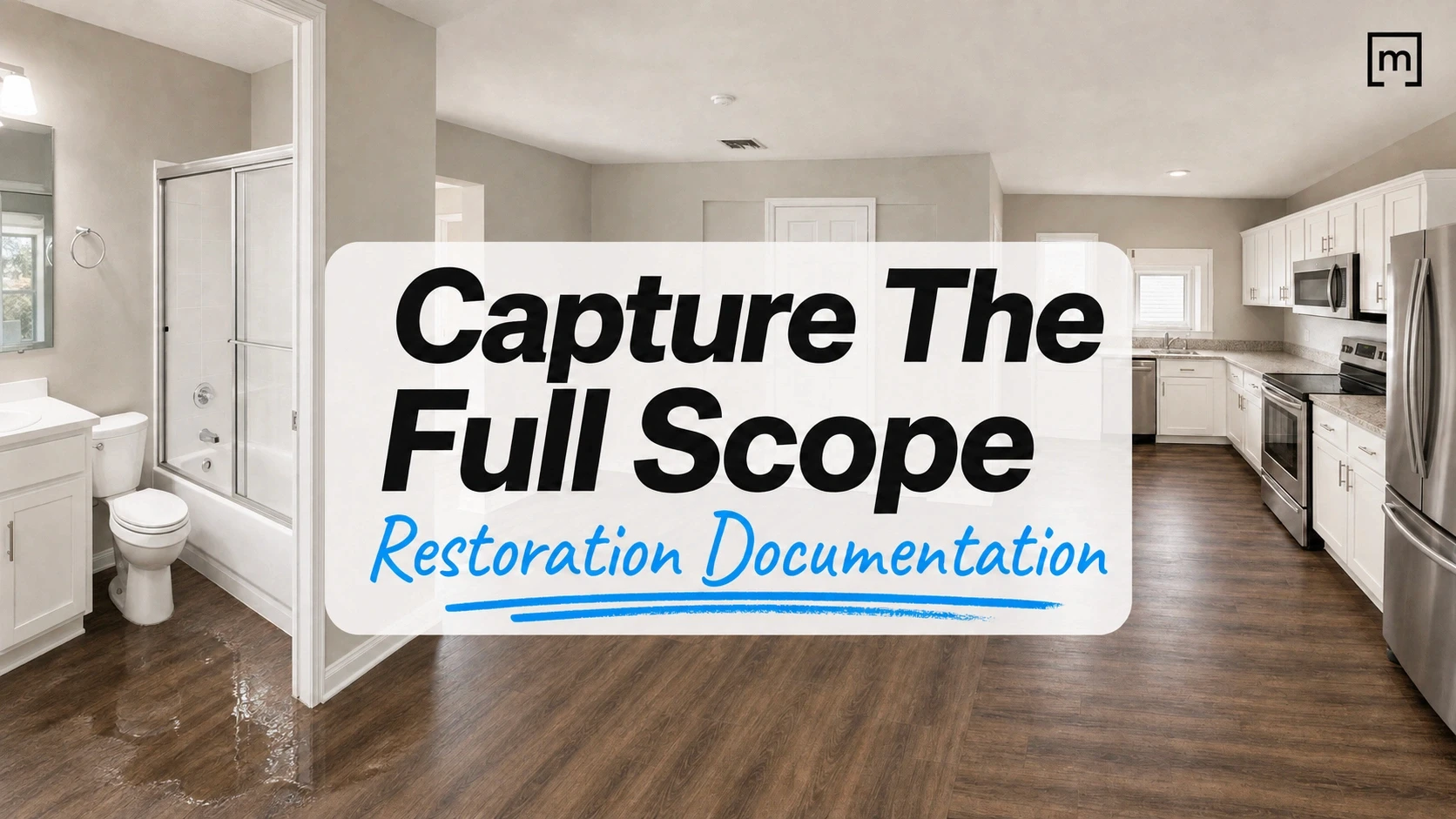
Detailed documentation is a non-negotiable part of storm restoration work, and having the right tools makes all the difference. Take photos and videos at every stage—before starting, during the work, and after completion. This isn’t just about being thorough; it’s about ensuring you get paid for every aspect of your work and avoiding disputes.
A tool like magicplan streamlines the process by letting you capture images, annotate damage, and even create reports in one place. This level of organization is key when dealing with insurance adjusters, who often require clear, detailed evidence to approve claims. Plus, sharing comprehensive documentation with clients shows them you’re serious about the work and gives them peace of mind that everything’s being handled professionally.

Follow Up
After the job is done, check in with your clients to ensure they’re satisfied. Ask for reviews—they’re invaluable for growing your reputation in a new market.
Step 7: Learn and Improve
Once the storm work winds down, take stock of your experience.
Did the jobs meet your financial and operational goals?
Were there any unexpected challenges you can prepare for next time?
Did you build relationships that could lead to future work?
Final Thoughts
Expanding into storm-affected regions can be a game-changer for your restoration business, but it’s not without its risks. By planning carefully, building local connections, and delivering top-quality work, you can make the most of the opportunity while helping communities recover. That’s what restoration is all about—turning disaster into a fresh start.
LEARN MORE:
Common Winter-Time Disasters That Require Restoration
Share
Step 1: Know If It’s Worth the Effort
Step 2: Get Legal and Insured
Step 3: Build Local Connections
Step 4: Mobilize Your Team
Step 5: Market Yourself Locally
Step 6: Deliver Quality Work
Step 7: Learn and Improve
Final Thoughts

Silvia Corvi
Community Manager