7 Strategies for Dealing with Insurance Adjuster Estimates Pushbacks
Restoration
5 min read
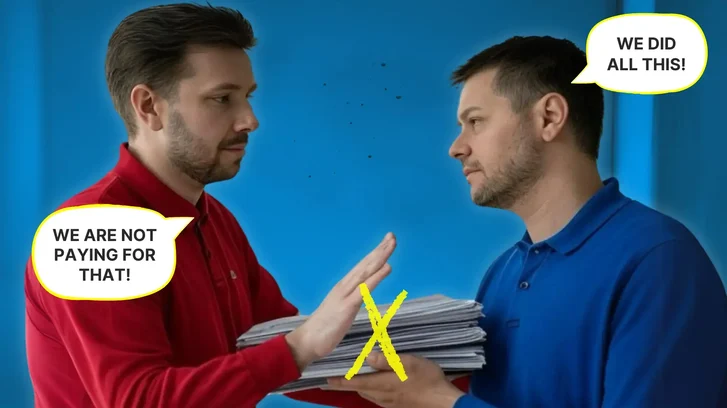
The pain is real: Negotiating with insurance claim adjusters can often be frustrating, arduous and discouraging. But it doesn’t have to be that way! You can make the process more rewarding if you have effective strategies in place to ensure fair compensation for your work. Check out the seven recommendations below.
1. Understand the Adjuster's Perspective: Consider Mindset and Challenges
Insurance adjusters operate within a framework designed to protect their company's financial interests. Their primary goal is to minimize payouts while fulfilling the insurer's obligations to policyholders. This mindset often leads to inconsistent or seemingly arbitrary objections to estimates, such as cutting line items without clear justification. Recognizing this perspective is crucial, as it helps you prepare for the tactics adjusters may employ during negotiations.
It's also worth noting that adjusters face numerous challenges in their role, including managing high caseloads, staying updated on industry standards, and balancing the interests of both the insurance company and its policyholders. These pressures can sometimes result in hasty decisions and impulsive pushback on contractor estimates. By understanding these challenges, you can approach negotiations with understanding and empathy while still advocating for fair compensation.
2. Be Prepared: Lay the Groundwork for Successful Negotiations
The foundation of successful negotiations with insurance adjusters lies in thorough preparation. That entails developing and sharing detailed, well-organized reports that leave no room for ambiguity or doubt. Each report should tell a clear, story-like narrative of the restoration process, making it easy for the adjuster to follow the progression of work and understand the necessity of each step. By presenting information in this manner, you can streamline the estimate approval process and reduce the likelihood of pushback.
The best way to collect proper documentation and create reports is by using a mobile restoration app, such as magicplan. With a versatile app like this, you can complete all of the following tasks:
Gather Accurate Measurements: Capture precise dimensions of rooms and spaces on-site to help prevent measurement errors in scope writing.
Capture Comprehensive Photo Documentation and Virtual Tours: Take photos and 360-degree panoramas during your initial job-site assessment. Enhance each photo with a timestamp, a detailed caption, and the location of where it was taken.
Create and Use Custom Forms: Forms can be helpful for compiling specific data on-site (e.g., materials needed, or damage details).
Create Drying Reports for any Water-Damage Mitigation Work You Complete: Drying reports are essential because adjusters typically focus on verifying that all materials were properly dried. Providing clear, chronological drying documentation with moisture mapping can help streamline their estimate approvals.
Standardized Documentation: Ensure all necessary data points are captured uniformly across projects, improving consistency in scope creation. This will help adjusters know what to expect if they work with you again on future projects.
Generate Reports: Compile your data and visual documentation into a professional report that outlines the work to be done and can be shared immediately with the estimator.

3. Create Every Insurance Claim Estimate in a Timely Manner: Here’s How to Do It
Writing an estimate for each new job doesn’t have to be a chore. The key is to use technology that speeds up the process: Look for a mobile app that will integrate your job-site documentation directly with leading estimating software. For example, the magicplan software platform will quickly generate an ESX file for an Xactimate® estimate — or an FML file for Symbility/CoreLogic — to help you rapidly kickstart estimate creation.

4. Improve Your Negotiating Game Plan: Use This Offensive Move
Right from the get-go, establish your authority by presenting yourself as an industry expert. You can do this in multiple ways. For instance:
Reference relevant industry standards in your documentation.
Mention that you use leading software to gather accurate job-site documentation digitally.
And emphasize that your pricing reflects professional norms.
By demonstrating your knowledge, capabilities and experience, you can build credibility and make it more difficult for adjusters to dismiss your estimates without valid reasons.

5. Avoid Nitpicky Debating: Set Clear Boundaries
While it's important to advocate for fair compensation, be cautious about engaging in prolonged, persnickety discussions with adjusters, as this can be an inefficient use of your time – and even dangerously counterproductive. Instead, set clear boundaries by intentionally avoiding excessive engagement or debates that waste time and energy.
So, try this: Instead of getting bogged down with prolonged discussions about individual line items, consolidate all of the adjuster’s argument points and address those comprehensively in a single, well-organized response. This approach saves time and demonstrates your professionalism and expertise.
6. Educate and Empower Clients: Build Trust and Support
Insurance adjusters may sometimes attempt to portray contractors as overpriced to homeowners, creating tension between restorers and their clients. To counter this, take a proactive approach in educating clients about the scope of work, their actual policy coverage, and the necessity of your services. By providing clear, transparent information, you can build trust with clients and empower them to advocate for fair compensation on your behalf.
Be sure to explain the complexities of the restoration process and how your expertise adds value beyond what may be immediately visible. Also, help clients understand that quality restoration work can prevent future issues and potentially save money in the long run. By fostering this understanding, you create a strong alliance with your clients, making it more difficult for adjusters to undermine your position.
7. Take a Step Back: Let Your Client Take the Lead
It helps to remember that your primary relationship is with the property owner, not the insurance company. If an adjuster's pushback becomes unreasonable or threatens the quality of your work, it may be necessary to step back and let the client manage the relationship with their insurer. This approach can often lead to a resolution, as insurance companies are more likely to be responsive to policyholders' concerns.
Another option is to escalate the situation to higher levels within the insurance company.
Oh, and here’s one final tip: Establish clear policies for acceptable discounts and payment terms before you enter into negotiations. This helps you recognize when continued discussion with an adjuster is no longer productive.
Now Put These Strategies to Work
Yes, you really can learn how to negotiate with an insurance adjuster more effectively. By mastering the strategies outlined above, you can streamline the claims process and maintain profitability while providing excellent service to your clients. So dive in and begin boosting your negotiation skills and confidence!
READ MORE:
Common Pitfalls in Restoration Scope Creation: How to Avoid Costly Errors and Omissions
Share
1. Understand the Adjuster's Perspective: Consider Mindset and Challenges
2. Be Prepared: Lay the Groundwork for Successful Negotiations
3. Create Every Insurance Claim Estimate in a Timely Manner: Here’s How to Do It
4. Improve Your Negotiating Game Plan: Use This Offensive Move
5. Avoid Nitpicky Debating: Set Clear Boundaries
6. Educate and Empower Clients: Build Trust and Support
7. Take a Step Back: Let Your Client Take the Lead
Now Put These Strategies to Work

Benjamin Brown
Director of Sales Acquisition