The Drying Chamber: How to Use It for Rapid Structural Drying
Restoration
3 min read
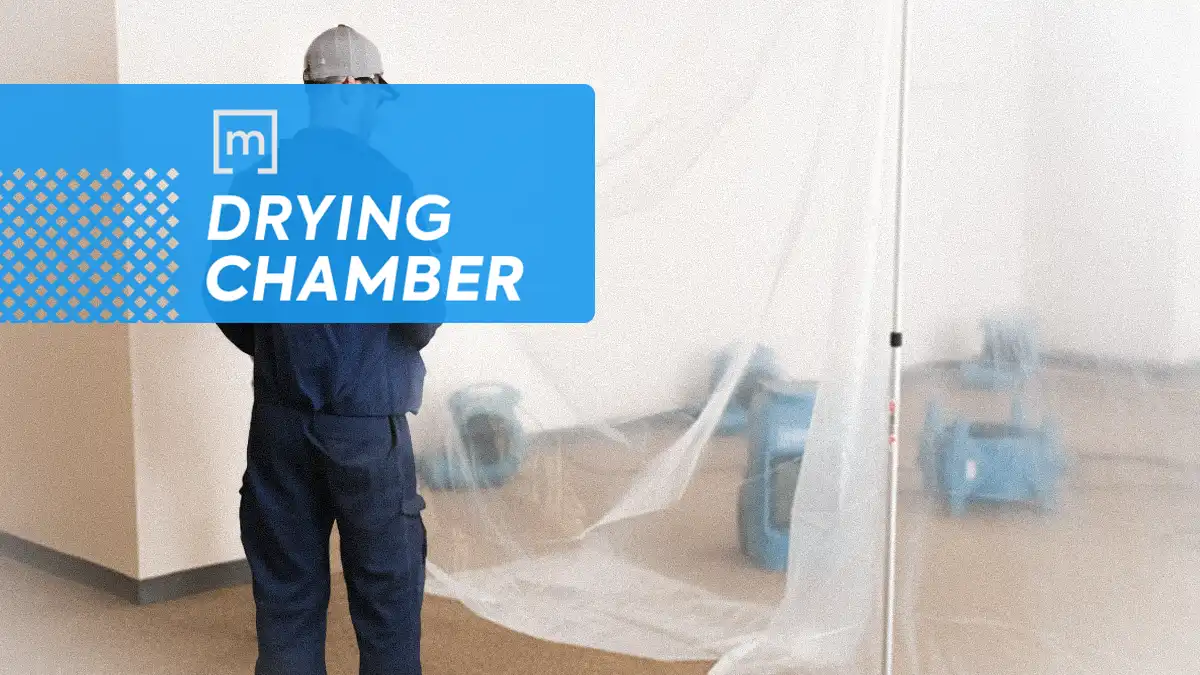
If you are a restoration contractor, you may often be faced with the task of initiating rapid and complete structural drying inside a water-damaged property. In this type of scenario, employing effective techniques is critical to prevent structural deterioration and avoid mold growth. One key method to consider is the use of a drying chamber. In this article, we offer insights and tips to help you maximize its effectiveness.
Why Use a Drying Chamber
A drying chamber provides a controlled environment that is conducive to rapid drying of structural materials (drywall, joists, subfloors, etc.). By encapsulating the water-damaged area, the chamber concentrates the effectiveness of high-powered air movers and dehumidifiers to optimize moisture removal. This works to accelerate the restoration timeline significantly, while also minimizing energy consumption.
In addition, drying-chamber containment helps prevent cross-contamination between the affected area and unaffected spaces. The property owner and occupants will appreciate the fact that you are protecting other areas and ensuring safe air quality.
Your plan to use a drying chamber can also impress the adjuster involved with the project – especially if you explain how the chamber will reduce the project’s completion time and cost. For example, you can emphasize that it will help you avoid wasting time and resources drying unaffected air and unaffected structural materials. You can also point out that the drying chamber will play a pivotal role in preventing mold growth, which can escalate quickly, worsen structural damage, and cause dangerous health hazards. (Plus, having to complete a mold remediation process would increase the project’s overall cost.)
Yes, It Really Works!
When you construct a drying chamber, you dramatically reduce the airspace of your work area. This means you can achieve better and faster results. So, think about how you can use one for any area size – even closets, cupboards, and other small cavities.
How to Erect a Drying Chamber
You can construct a drying chamber with heavy-duty plastic sheeting or a specialized system specifically designed for this purpose. With the right materials and a bit of practice, you will find that containment setup can be quick and easy.
Once you have finished fully enclosing and isolating a water-damaged area, then you’ll be ready to position and deploy your drying equipment to initiate the drying process. You may also opt to warm the air within the targeted space, as another way to speed up moisture removal.
Sure, the whole process may seem a bit intimidating at first. But as you become more comfortable doing it, you will buildconfidence in your ability to erect containments at future job sites.
LEARN MORE: How to Set Up a Solid Containment for Water Damage Jobs
Tips for Setting Up a Drying Chamber
Assess the Damage: Before setting up a drying chamber, conduct a thorough assessment of the water-damaged area to determine the extent of damage and begin planning a containment strategy.
Create a Schematic: The quickest and easiest way to plan your strategy is by using a floor plan app, such as magicplan, to create a digital sketch of the affected space on your mobile device. This allows you to see the project on a macro level, so you can pinpoint and configure the exact area that needs to be contained and remediated. You can also mark your sketch with preliminary information, including general observations, temperature readings, moisture and humidity readings, drying calculations, and notes about any contents that need to be removed from the affected area before structural drying begins. (Later on, when the drying process is underway, you can also use your floor plan app as a ‘water damage drying log app’ to document the drying process.)

Select Proper Materials: Choose high-quality plastic sheeting or a specialized drying chamber system designed for structural drying applications. Ensure that the materials are sturdy and capable of creating an airtight seal. (If you are using plastic sheeting, you may need to create a support structure. Think about using poles, lumber, or PVC pipes.)
Ensure Tight Sealing: This is essential for maintaining the integrity of the containment. So, secure seams, corners, and other openings with high-quality sealing materials to prevent air leakage.
Don’t Forget Functionality:The need for an entrance/exit point should be included in the design. It should be accessible enough to allow workers to move in and out, to permit adequate debris and contents removal, and to facilitate equipment placement.
Position Equipment Carefully: Strategically place air movers and dehumidifiers within the drying chamber to maximize airflow and coverage. Consider the layout of the space and the moisture distribution as you optimize your equipment placement.
Advice for Using a Drying Chamber
Monitor Environmental Conditions: Regularly monitor the temperature, air flow, humidity, and structural moisture levels within the contained area, using appropriate and consistent instrumentation. Adjust equipment settings and positioning as necessary to maintain optimal drying conditions.
Conduct Periodic Inspections: Check for signs of condensation, mold growth, or equipment malfunction, and take corrective action as needed (e.g., moisture and mold remediation).
Document Your Progress: Use your floor plan app to create records of the water damage drying process – including environmental conditions, equipment settings, and moisture readings – and attach photos and 360-degree panoramas for visual reference. Documenting progress demonstrates accountability and provides valuable data for insurer and customer communication. (A good floor plan app will allow you to export and share PDF reports.) Detailed documentation also can help the insurer close the claim and finalize your payment for the work you completed.
Use Safety Precautions: Be sure to adhere to safety protocols whenever you are operating a drying chamber. Follow manufacturer guidelines for drying equipment usage, and maintain compliance with relevant industry standards and government regulations.
NOTE: Using a drying chamber is all about controlling the balance of airflow, evaporation and dehumidification in a defined and contained area. We recommend undergoing professional technical training, so you can learn and apply industry-wide best practices.
Conclusion
A drying chamber can serve as an invaluable strategy for efficient and thorough structural drying. By creating a controlled environment conducive to accelerated drying, this type of enclosure streamlines the restoration process, minimizing disruption and mitigating further damage. If you focus on careful planning, proper setup, and correct use, you can ensure that every drying chamber delivers optimum results.
READ MORE:
3 Strategies for Efficient Estimating of Water Damage Mitigation Projects
Share
Why Use a Drying Chamber
How to Erect a Drying Chamber
Tips for Setting Up a Drying Chamber
Advice for Using a Drying Chamber
Conclusion

Benjamin Brown
Director of Sales Acquisition