5 Tips for Better Data Collection in Restoration Work
Restoration
5 min read
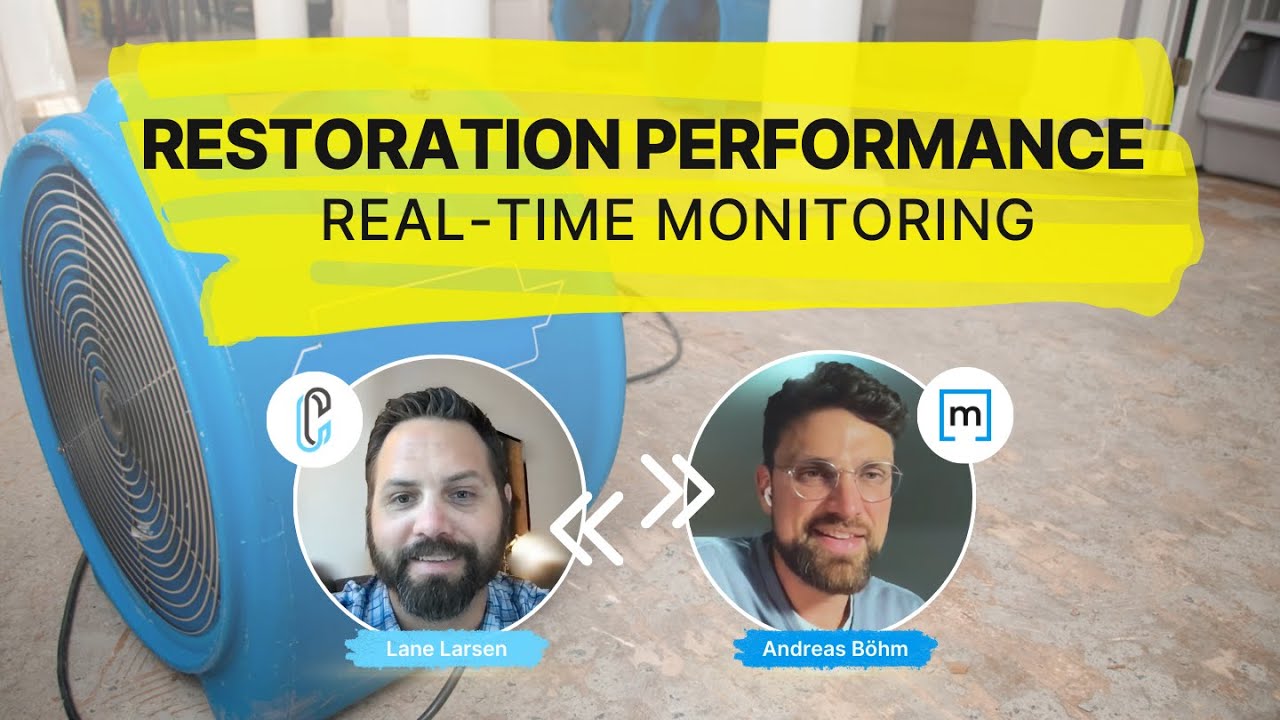
Watch the video on YouTube - In a recent chat with Lane, the CEO of Clean Claims, we discussed some practical approaches to making the daily tasks of restoration teams more manageable and rewarding. Here are five straightforward but important tips from our conversation on how to improve work in the field when it comes to data collection and real-time monitoring, focusing on making things easier for technicians, improving consistency, and using technology in smart ways.
1. Giving Technicians the Tools They Need
One thing that came up right away was how important it is to give field techs tools that make them proud of their work and confident in what they’re doing. It’s a common scenario: getting chewed out for not collecting the right information. Almost everyone in the industry has been there. The key is providing a system that’s easy to use and ensures consistency so that no one has to worry about missing data or getting in trouble for it.
A good system doesn’t just help management track who’s doing their job; it helps techs avoid mistakes and do their work more consistently. It’s not about pointing fingers—it’s about making sure everyone has what they need to do the job right.
2. Using Technology to Get Paid
We also talked about how technology can make a big difference in restoration work. For example, using wireless sensors integrated with solutions like Clean Claims that give real-time readings can help avoid disputes about payment. Everyone in restoration knows that if you don’t have daily readings, you can end up only getting paid for part of the job. Having consistent data, even when you’re not on-site, ensures you get paid for all the work you’ve done.
These sensors don’t rely on the client’s Wi-Fi, which is a huge plus. They have a much better range than Bluetooth, so you can leave them on-site and trust that they’re doing their job. If a client turns off a dehumidifier, the system catches it, so there’s no argument later.
3. Making Field Work Easier with Integrated Tools
Another big point was how combining tools like Clean Claims and magicplan can really streamline fieldwork. Once sensors are set up, you can use magicplan to scan a room and instantly create a moisture map. This integration saves time and makes it easier to get the data you need without jumping through hoops.
When techs can see that they’re doing good work and that the tools are making their jobs easier, it’s a big morale boost. That’s especially important these days when it can be tough to keep a motivated team together.
4. Sticking to What Works
We also touched on the importance of keeping things simple and sticking to what works. Sure, there are shortcuts in restoration, but they don’t always hold up. If you want consistent results, you’ve got to go through the process from start to finish. Cutting corners might work sometimes, but more often than not, it just causes headaches down the road.
My approach is usually influenced by my experience in industries like automotive production, where consistency and attention to detail are everything. While I recognize that the restoration industry might not be there yet, I see the potential for similar levels of precision and planning.
5. Keeping Everyone on the Same Page
Another important aspect we discussed is the value of clear communication and data sharing among all parties involved in a restoration job. When everyone—from the technicians on-site to the office staff, adjusters, and property owners—has access to the same real-time information, it reduces misunderstandings and keeps the project running smoothly.
Daily reports, complete with readings and photos, can be shared automatically with all relevant parties. This transparency helps avoid disputes and ensures that everyone understands why certain decisions are made, whether it’s about extending drying time or adjusting resources. It’s a simple step that makes a big difference in keeping everyone aligned and reducing the back-and-forth that can slow down a job.
Bottom Line: Make Work Better for Everyone
In the end, it’s about finding practical ways to make restoration work better for everyone. When you give your crews the right tools, use technology smartly, and stick to a reliable process, the job gets easier, and everyone benefits—from the technicians to the clients. Making the job easier isn’t just about getting things done faster; it’s about doing them right the first time and making life less stressful for everyone involved.
SEE HOW YOU CAN PRODUCE DETAILED REPORTS WITH YOUR MOBILE DEVICE
Or continue with our Key Tools for Restoration Contractors
Share
1. Giving Technicians the Tools They Need
2. Using Technology to Get Paid
3. Making Field Work Easier with Integrated Tools
4. Sticking to What Works
5. Keeping Everyone on the Same Page
Bottom Line: Make Work Better for Everyone

Andreas Boehm
CEO