The Future of Insurance Claims: How the Field Claims Adjuster Can Prepare for More Extreme Weather Events
Claims Adjuster
5 min read
As the impacts of climate change intensify, the insurance industry is facing unprecedented challenges in managing the increasing number and severity of weather-related claims. Claims adjusters play a crucial role in assessing and settling these claims, and must adapt to this rapidly evolving landscape. If you’re a field adjuster, be sure to read the helpful tips provided below.
Understand the Science and General Impacts of Climate Change
Climate change is a complex phenomenon driven by the accumulation of greenhouse gases in the atmosphere, primarily stemming from human activities such as burning fossil fuels and deforestation. This warming of the planet is causing significant changes in weather patterns, leading to more severe weather events. In other words, extreme weather events are becoming more extreme.
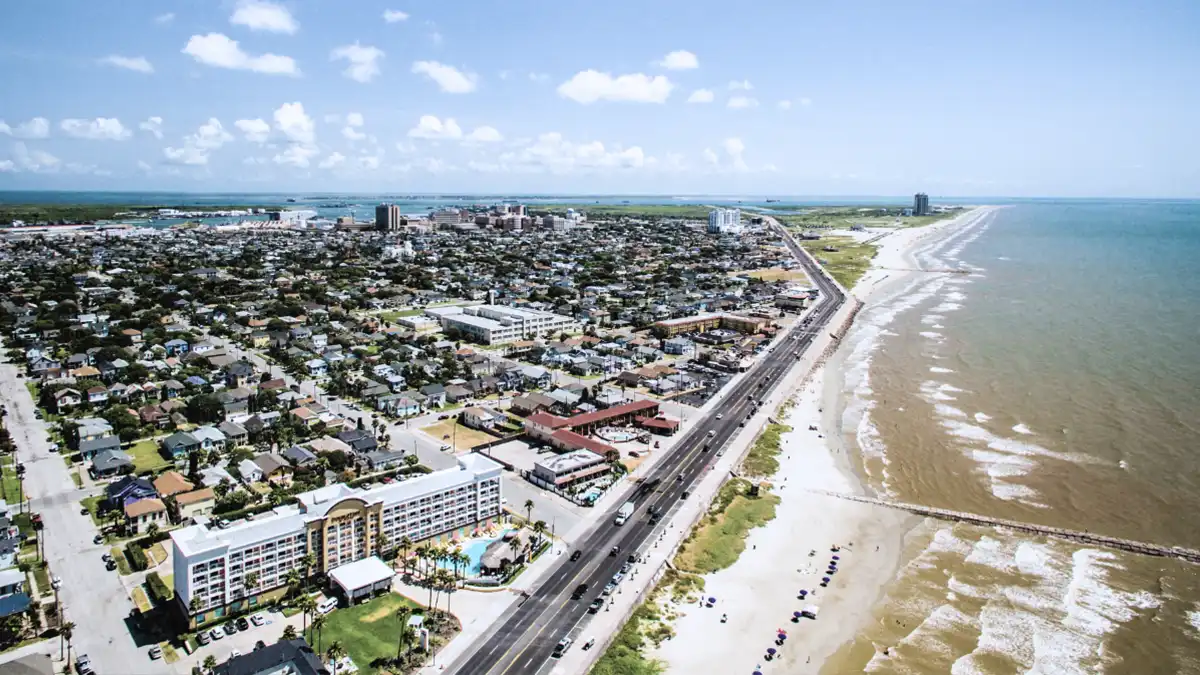
These changes are not limited to regions traditionally impacted by dangerous weather events. In fact, the risk of weather-related damages is rising across the country and, therefore, impacting property-loss insurance policies. For example, coastal areas are experiencing more severe hurricanes, storm surges, and rising sea levels that can cause flooding and property erosion, while inland regions are facing more intense heatwaves, droughts, and wildfires.
Here are a couple things to consider:
1. Data Trends Indicate That Global Warming Is Real
Let’s look at a few facts:
- Out of the 15 warmest years on record, only one year is from the last century – 1998 (Super El Niño year)
- 10 of the 10 warmest years all have occurred in the last 10 years (2015 – 2023)
- 2023 was the warmest year on record
[Source: Climate Change & Insurance – Risk, Preparation, & Mitigation presentation, Property & Liability Resource Bureau]
2. Many Highly Populated Areas Are Located in High-Risk Regions
Coastal locales are a prime example: According to the National Oceanic and Atmospheric Administration’s National Marine Ecosystem Status Website, coastal counties make up less than 10 percent of the total land area in the U.S. (not including Alaska), but account for 39 percent of the total population. And the populations in those counties is expected to increase. So, as populations grow in areas where the risk of severe weather events is high, this means the number of claims may increase in those areas.
Know That the Insurance Industry Is Regularly Assessing and Responding to Climate Change
Insurers are collaborating with government agencies, research institutions, and other stakeholders to better understand the risk factors associated with climate change in different geographic areas. This can involve looking at a number of factors, such as population-movement trends, changes in the behavior of high-intensity weather events, and the monetary impact of severe-weather-event damages.
Insurers also support public measures that are designed to make populated areas more resilient against severe weather events. This support may involve:
encouraging the building industry to support stronger building codes (and build better-quality homes)
backing more effective enforcement of building codes
promoting strong energy grids that can better withstand severe-weather interruptions
supporting the transition to a greener economy to help minimize climate change
Monitor the Insurance Industry's Risk Mitigation Efforts
To mitigate the risks associated with climate-induced disasters, the insurance industry has begun to ingrain those risks into decision-making. As a result, insurers are adopting new approaches in risk assessment and management. For example:
Some insurance companies have elected to reduce their exposure to risks by limiting the scope and extent of their coverage, increasing premiums, or even declining new policies in higher-risk regions (and, instead, focusing on less-risky areas for writing property policies).
Insurers can choose to offer discounts for policyholders who take proactive measures to reduce their exposure to climate-related risks, such as fortifying their homes against hurricane threats or implementing wildfire mitigation strategies.
Insurers can also use advanced predictive models that incorporate climate data and projections. These models allow them to better estimate the likelihood and potential impacts of extreme weather events.
Look for news stories and articles you can read to learn more about these topics.

Be Aware of Two Potential Challenges You Face as a Property Claims Adjuster
1. Larger Workloads – As the number of extreme-weather-related claims increases, claims adjusters are facing mounting pressure to settle more claims than ever before. (For example, the number of available licensed field adjusters after a hurricane is often significantly lower than the number needed.)
2. Demanding Assignments – You may encounter new challenges in assessing and quantifying damages caused by extreme weather events, particularly in cases where the impacts are unprecedented or involve complex interactions between multiple hazards (e.g., a hurricane followed by flooding and landslides).
One way to effectively navigate these two challenges is to adopt new tools – particularly ones that will help you adapt to the changing landscape of insurance adjusting.
Learn How to Implement Advanced Claims Processing Tools
To handle the anticipated increase in claim volumes and complexities, look into leveraging advanced technologies in your insurance claims processing workflows. Here are four examples of innovative claims strategies you can use:
Artificial Intelligence (AI)
When used for the purpose of claims process automation, AI can help you increase your productivity. It does this by automating various tasks, such as fraud detection, freeing you up to focus on more complex aspects of the claims process.
Learn more: AI for Claims Adjusters: Boosting Efficiency with 10 Key Examples
Drone Technology
Drones are becoming invaluable tools for rapid assessment and processing of loss claims. Drones can quickly capture high-resolution imagery and data from hard-to-reach or hazardous areas, providing a comprehensive view of the damage without you having to put yourself at risk.
Remote Sensing
Remote-sensing satellites can be allies by providing real-time disaster monitoring. This is especially helpful in disaster areas, such as flooded neighborhoods, that make it difficult for you to get a quick and accurate picture of losses.
A Floor Plan App for Faster Documentation
For home-insurance and commercial-property-insurance claims specifically, a floor plan app (a type of insurance claims software) can be an ideal tool for streamlining the documentation process. By allowing you to capture detailed room dimensions and property features quickly and accurately, a floor plan app can significantly speed up the documentation process.
Look for an app that is loaded with a variety of helpful features. For example, the magicplan app:
allows you to create detailed sketches of residential and commercial property losses quickly and accurately, using AI technology and augmented reality (AR) technology
helps you tell a complete and accurate story of any property loss by allowing you to enhance your sketch with photos, annotations, checklists, etc.— all organized in one place
creates 360-degree panoramas without needing additional hardware
works offline, allowing you to capture job information without disruption, and without worrying about your information being lost
can send your sketches and photos instantly to Xactimate and CoreLogic estimating tools
helps you share facts of a property loss in real time with other parties (e.g., syncing with office personnel), to enable faster, more confident decisions
generates professional reports instantly
Wrap-Up
As the impacts of climate change intensify, the insurance industry must adapt to the increasing quantity and severity of weather-related claims. Claims adjusters like you play a critical role in this adaptation process, serving as the frontline in assessing and settling these claims. By understanding the science and impacts of climate change, staying up to date with industry risk assessments and mitigation efforts, navigating key challenges, and embracing advanced property adjuster tools, you can position yourself to handle claims efficiently and effectively in the face of more extreme weather events.
RELATED READING:
Understanding the Property Claims Services (PCS) Index: A Guide for Adjusters in Times of Disasters
Share
Understand the Science and General Impacts of Climate Change
Know That the Insurance Industry Is Regularly Assessing and Responding to Climate Change
Monitor the Insurance Industry's Risk Mitigation Efforts
Be Aware of Two Potential Challenges You Face as a Property Claims Adjuster
Learn How to Implement Advanced Claims Processing Tools
Wrap-Up

Benjamin Brown
Director of Sales Acquisition