How to Build and Grow a Strong Team in the Restoration Industry
Restoration
5 min read
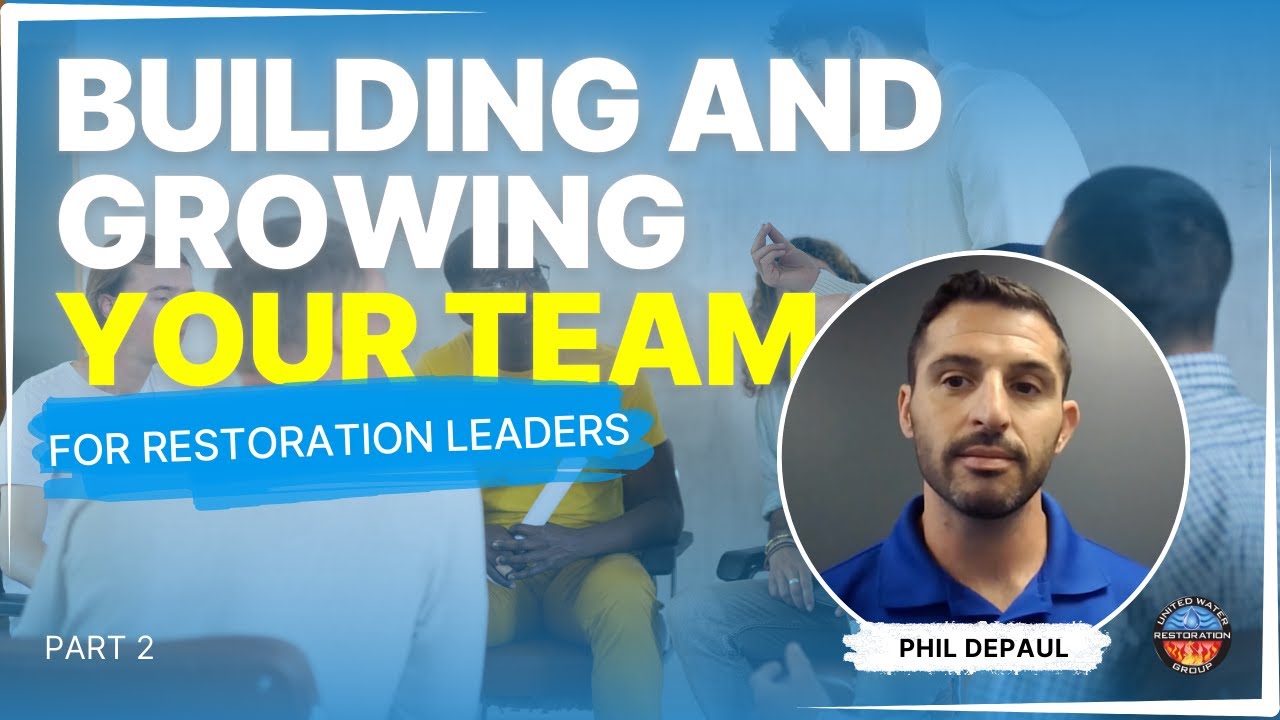
Watch the video on YouTube - Running a restoration business is no small feat. It’s not just about knowing how to handle the work—it’s about creating a team that can meet the demands of the job, day in and day out. A dependable team is the backbone of any operation, and building one takes effort, intention, and focus. Phil DePaul, CEO of BoomZeal Enterprises and owner of United Water Restoration of Long Island, shared his straightforward approach to building a strong team. Here’s a look at what works when it comes to creating a team that’s reliable and aligned with your business goals.
1. Set the Tone as a Leader
The way you lead sets the standard for your team. In restoration, it’s critical to show that you’re willing to step into any role when needed. That doesn’t mean you need to be on every job site, but you have to make it clear that the work matters. Employees need to understand that without them, the whole operation comes to a halt.
Phil explained that leaders need to know the work well enough to step in if necessary. This kind of readiness ensures the business can keep running no matter what. Being present and engaged also shows your team that their roles aren’t just important—they’re essential to the success of the business.
2. Build a Culture That Aligns with Your Values
Your business culture is shaped by what you prioritize. If you want a team that’s dependable and motivated, you need to create an environment where people feel valued. Phil focuses on making sure every role is recognized, no matter how small it might seem. Employees need to see that their contributions are the foundation of the entire operation.
As your business grows, the culture should shift from being centered on you as the owner to being about the entire team. A clear sense of who you are as a company—what you stand for and where you’re going—helps everyone stay on the same page.
3. Put People Where They Can Thrive
One of the biggest challenges in running a business is making sure people are in roles where they can succeed. It’s not just about having enough hands on deck—it’s about making sure those hands are in the right places. Phil approaches this like filling seats on a bus. You need the right people in the right seats to keep everything moving forward.
When someone shows potential for leadership, give them the chance to grow. At the same time, recognize that not everyone wants to drive the bus, and that’s okay. What matters is that every person understands their role and how it fits into the bigger picture.
Learn more: How to Recruit Restoration Employees
4. Manage Multiple Teams Without Losing Control
If your business has multiple service lines—like restoration, plumbing, or junk removal—keeping everything aligned can be a struggle. You can’t be everywhere at once, so it’s essential to have systems in place and to develop leaders who can take charge of each team.
For Phil, this means having metrics and processes that provide a clear picture of how each team is performing. Instead of micromanaging, he focuses on ensuring his leaders have the tools and knowledge they need to make decisions and keep their teams on track.
5. Invest in Leadership Development
Strong teams need strong leaders, and developing those leaders should be a priority. Phil believes that leadership starts with taking control of your own responsibilities before managing others. People who can handle their own tasks well are better equipped to lead a team.
Leadership development isn’t about fancy programs—it’s about practical support and opportunities for growth. Regular meetings, honest conversations, and mentorship can go a long way in helping your team members step up and take on more responsibility.
6. Focus on What Matters
In the restoration business, distractions are everywhere. New opportunities might seem exciting, but chasing too many things at once can leave you spinning your wheels. Phil’s approach is simple: focus on the work that drives your business forward and cut out the rest.
This means being deliberate about where you spend your time and energy. If something doesn’t align with your goals, it’s better to say no. Staying focused allows you to make steady progress instead of constantly starting over.
7. Create Accountability Through Regular Check-Ins
Accountability keeps everyone on the same page. For Phil, this means holding regular team meetings to review what’s working and what needs improvement. These check-ins aren’t about pointing fingers—they’re about making sure everyone understands their role and how it contributes to the overall goals of the business.
This approach helps reinforce the team’s sense of purpose and ensures that no one is left guessing about their responsibilities.
8. Balance Work and Life
Running a restoration business can take over your life if you’re not careful. Phil is clear about the need to balance professional and personal priorities. He looks at how he spends his time and evaluates whether it aligns with his values.
For example, if work is pulling him away from his family for long stretches, he reevaluates his commitments. It’s not about achieving perfect balance—it’s about being intentional and learning from each experience.
Takeaways
Building a strong and reliable team in the restoration industry takes more than just hiring the right people. It requires clear leadership, a supportive culture, and a focus on putting people in roles where they can succeed. By staying intentional about how you lead and where you focus your energy, you can create a team that not only meets the demands of the job but also helps drive your business forward.
SEE HOW YOU CAN PRODUCE DETAILED REPORTS WITH YOUR MOBILE DEVICE
Share
1. Set the Tone as a Leader
2. Build a Culture That Aligns with Your Values
3. Put People Where They Can Thrive
4. Manage Multiple Teams Without Losing Control
5. Invest in Leadership Development
6. Focus on What Matters
7. Create Accountability Through Regular Check-Ins
8. Balance Work and Life
Takeaways

Benjamin Brown
Director of Sales Acquisition