Bridging the Generational Gap in Restoration: Why Experience and Innovation Must Work Together
Restoration
4 min read
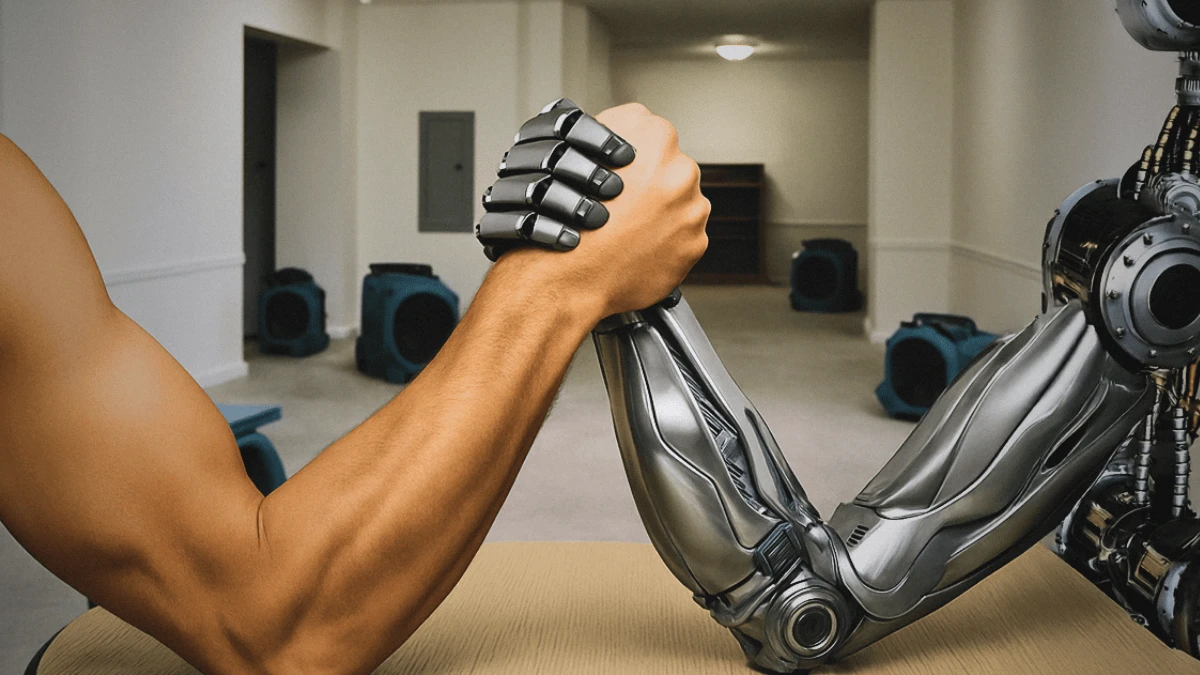
Tech moves fast. People don't. This gap creates real problems in restoration and construction.
I see it all the time. Experienced techs who've done things the same way for decades working alongside newcomers who question every process. It's not just about old versus new. It's about finding the sweet spot where both generations can thrive together.
The restoration industry faces a unique challenge. The experienced professionals come from an era where training happened hands-on rather than through structured programs. They learned by doing, watching, and sometimes making mistakes. Their knowledge runs deep but often stays locked in their heads.
Meanwhile, newer techs bring fresh perspectives but tend to jump between industries quicker. They need faster onboarding without sacrificing quality. This creates a fundamental tension: how do you transfer decades of knowledge efficiently without overwhelming newcomers?
Three Challenges That Complicate Knowledge Transfer
I've noticed three specific challenges that make bridging this gap particularly difficult in restoration.
First, there's the technology gap. Traditional methods are rooted in tools that were available in the past. New entrants wonder if modern technology could fill gaps or create better solutions. This creates tension when experienced workers resist change while newcomers push for innovation.
Second, there's the unstructured nature of industry knowledge. Restoration work involves complex situations with countless variables. Historically, this knowledge was passed down through apprenticeship rather than formal documentation. Newcomers feel uncertain about what they need to learn, while veterans aren't always sure what they need to teach.
Third, the decentralized nature of the work makes consistent training difficult. With teams spread across multiple locations and jobs, management struggles to standardize knowledge transfer and track progress. This creates inconsistent experiences for new workers.
Contextual Learning Changes Everything
The solution isn't throwing newcomers into the deep end or boring them with weeks of classroom training. What works better is contextual learning that happens while they're actually doing the work.
Technology, particularly AI, is perfectly positioned to enable this. Computer vision and AI communication systems can guide workers step by step depending on the situation they're facing in the field.
Imagine a new technician at a water damage site. Instead of trying to remember everything from training, they can use their phone to scan the area. The AI recognizes the situation and provides specific guidance: "Based on the contents and the show and tell notes, the system can ask back specific questions..."
This contextual awareness becomes a bridge between generations. The AI system can be instructed with knowledge from experienced professionals without requiring them to write everything down in perfect structure. They simply share their expertise through natural conversation: "Talk me through what you've done to manage this type of loss."
For newcomers, this means having expert guidance available exactly when needed. For veterans, it means their knowledge gets preserved and shared without tedious documentation work.
Simplicity Through Context
Context doesn't just improve training. It can dramatically simplify everyday tasks that currently create friction.
Let me give you a practical example. Think about documentation and accounting in restoration work. Currently, field techs make purchases, collect receipts, and then have to manually enter all that information later. This creates inefficiency for both the field team and the accounting department.

Now imagine this: a technician is working on a bathroom renovation and has mapped out the floor plan in magicplan. They purchase a new toilet and simply take a picture of the receipt while having the toilet selected in the app.
Without any additional input, the system already knows:
This is a toilet purchase for a specific project
The price details from the receipt
The store information from the receipt
The manufacturer information
All the client and project details
Maybe the only additional information needed is the installation date. Everything else is captured automatically through context.
This kind of contextual awareness eliminates the need to revisit tasks later. The field tech completes the documentation in the moment, and accounting gets all the information they need without having to chase people down.
Creating a Win-Win for Both Generations
When newcomers experience early success with tools that make their jobs easier, something interesting happens. Their enthusiasm becomes contagious.
I've seen it happen. A new technician gets excited about how quickly they can document a loss using modern tools. They share this excitement with veterans who might initially be skeptical. But when those experienced pros see how the technology respects their expertise while eliminating tedious tasks, many begin to appreciate its value overtime.
This creates a positive feedback loop. Newcomers gain confidence and see a career path forward. Veterans find renewed enthusiasm when they discover they're not done learning, even after decades in the industry.
The key is making the technology accessible and simple enough that it doesn't create barriers. If you can lower the amount of information someone needs to input, you make the tool accessible to everyone, regardless of their technological comfort level.
The Path Forward
The restoration industry stands at a crossroads. We can continue with fragmented approaches where each generation works in isolation, or we can create systems that bring everyone together.
The technology exists today to make this happen. Tools like magicplan already allow technicians to create instant floor plans and documentation. The next step is enhancing these tools with contextual awareness that guides users based on their specific situation.
For company leaders, the challenge isn't just selecting the right technology. It's creating an environment where both generations feel valued and can learn from each other. This means:
Acknowledging the irreplaceable value of experienced professionals' knowledge
Embracing the fresh perspectives and technological comfort of newcomers
Investing in tools that respect expertise while simplifying tedious tasks
Creating opportunities for natural knowledge sharing across generations

The companies that thrive will be those that successfully blend the wisdom of experience with the efficiency of technology. They'll create stronger, more adaptive teams capable of facing whatever challenges come next.
And maybe, just maybe, no technician will ever have to count electrical outlets by hand again.
WATCH THIS TO LEARN MORE:
Building a Successful Family Business in the Restoration Industry
Share
Three Challenges That Complicate Knowledge Transfer
Contextual Learning Changes Everything
Simplicity Through Context
Creating a Win-Win for Both Generations
The Path Forward

Andreas Boehm
CEO