7 Ways for Restorers to Manage Client & Adjuster Expectations
Restoration
4 min read
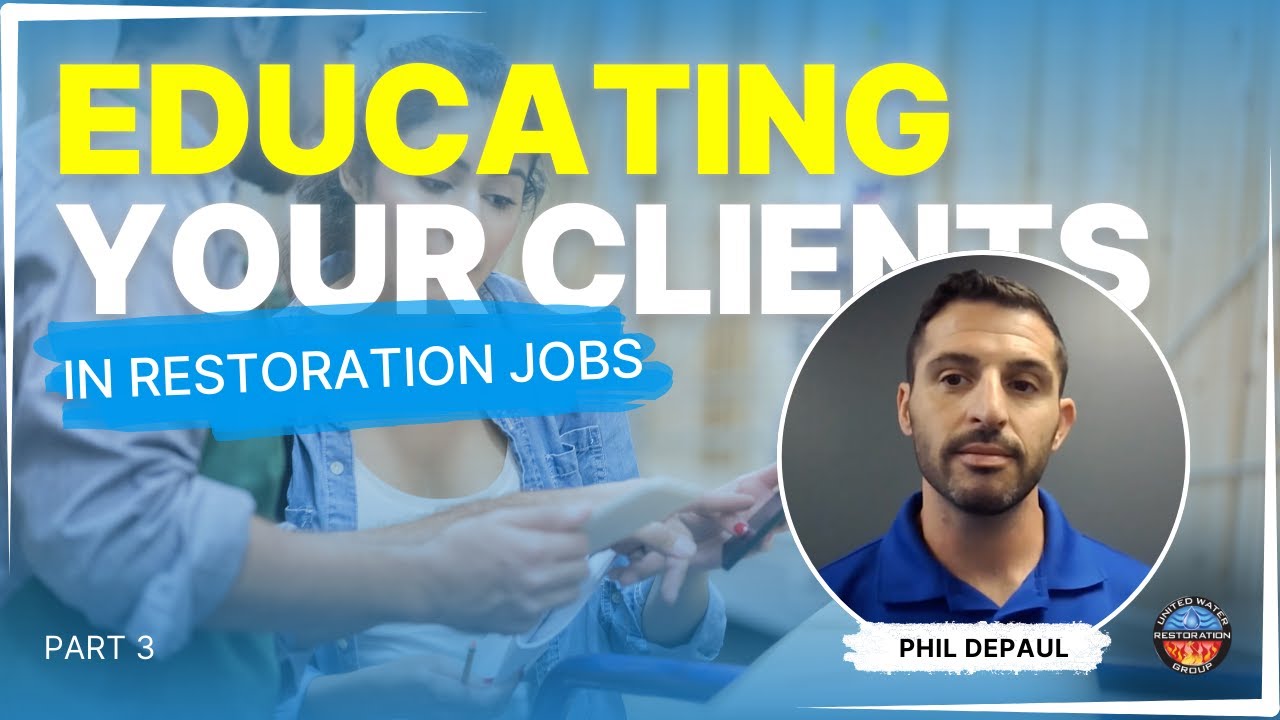
Watch the video on YouTube - Running a restoration business comes with its fair share of challenges, and one of the biggest is managing relationships with both clients and insurance adjusters. Restoration isn’t like most industries—you’re often hired by one person but paid by another. This dynamic creates a unique set of expectations and responsibilities for restorers. Based on insights from Phil DePaul, CEO of BoomZeal Enterprises and owner of United Water Restoration of Long Island, here’s a practical guide to balancing client trust and adjuster demands.
1. Keep Your Focus on the Client
It’s easy to lose track of who your real client is when dealing with adjusters and insurance carriers, but the person who hires you—the one who signs your work authorization—is your primary responsibility. They called you because they need help, and that initial agreement is the foundation of your relationship.
The client needs to understand why they hired you and what you bring to the table. It’s not enough to just be the first contractor who shows up with a pen and a piece of paper. Set clear expectations from the start, and make sure they know exactly what to expect from your work.
2. Communicate Every Step of the Way
Restoration projects can get complicated fast, especially when insurance carriers are involved. That’s why it’s so important to walk clients through the process and keep them informed. They need to know what’s being done, why it’s necessary, and what might happen if it isn’t done properly.
For example, if a client doesn’t want you to address a specific area or skip a step, explain the risks clearly. Let them know what could happen if certain best practices aren’t followed. This transparency not only builds trust but also protects you if disputes arise later.
Think of the process like a guided journey. Your job is to take the client from start to finish, showing them the value of your work and avoiding surprises along the way.
Learn more: How to Take Before, During & After Photos to Showcase Restoration Work
3. Be Upfront About Costs
Nobody likes surprise bills, and restoration clients are no different. One of the biggest mistakes restorers make is waiting until the end of a project to talk about costs.
Instead, explain the value of your work upfront. Don’t just talk about numbers—help the client understand what they’re paying for and why it matters. This approach not only avoids sticker shock but also reinforces the trust they placed in you when they hired you.
Think of it like going to a restaurant. If there are no prices on the menu, you’d feel blindsided when the check arrives. Restoration clients feel the same way, so make sure they’re informed from the start.
4. Navigate the Adjuster Relationship
The dynamic between restorers, clients, and insurance adjusters can feel like a “weird love triangle.” When working with carriers, especially through TPAs (Third Party Administrators), the restorer often becomes more of a contractor for the carrier than an advocate for the client.
It’s important to understand this relationship and manage it professionally. While you need to meet carrier requirements, your priority should still be delivering value to your client. Striking this balance requires clear communication, professionalism, and a strong commitment to the client’s needs. Here are some general rules to help navigate the adjuster relationship effectively:
Understand Their Perspective: Adjusters balance cost control and coverage obligations.
Be Professional and Direct: Clear, non-confrontational communication is key.
Know the Scope of Work: Be confident in and ready to explain your work.
Focus on Best Practices: Reference standards like IICRC guidelines.
Build Relationships Over Time: Consistent professionalism can pave the way for smoother interactions in future projects.
Learn more: Common Pitfalls in Restoration Scope Creation: How to Avoid Costly Errors and Omissions
5. Document Everything
Documentation is the backbone of restoration work. From start to finish, you need to record every detail—what work was done, why it was necessary, and how it was carried out. This isn’t just about covering yourself; it’s about showing the value of your work to both the client and the carrier.
Strong documentation also helps resolve disputes. If an adjuster questions your invoice, having detailed records can make all the difference. This is especially important in an industry where third-party reviewers often draw arbitrary lines about what’s covered and what isn’t.
Learn more: 9 Best Practices for Photo Documentation During Complex Restoration Work
6. Adapt to Industry Changes
The restoration industry isn’t static. In recent years, insurance carriers have leaned more heavily on third-party reviews and cost-cutting measures. These changes can create challenges for restorers, but they also present opportunities to stand out by being adaptable and transparent.
Stay informed about these trends and adjust your processes accordingly. The more you understand the current landscape, the better equipped you’ll be to navigate it.
7. Focus on Value Creation
At the end of the day, restoration isn’t just about fixing damage—it’s about creating value. Whether it’s through your expertise, your ability to solve problems, or the peace of mind you provide, everything you do should reinforce the value of your work.
This means being proactive, clear, and professional. Let your work speak for itself, and don’t fall into the trap of demanding payment without showing why it’s deserved. If you focus on creating value for the client, the rest will follow.
Final Thoughts
Handling adjusters and client expectations in restoration requires a careful balance. By prioritizing the client relationship, communicating openly, and documenting everything, you can build trust and ensure your work is valued.
Restoration isn’t an easy business, but those who focus on relationships and professionalism will thrive. As Phil often says, “Take the client on the journey with you.” When clients feel informed and involved, everyone wins.
SEE HOW YOU CAN PRODUCE DETAILED REPORTS WITH YOUR MOBILE DEVICE
Share
1. Keep Your Focus on the Client
2. Communicate Every Step of the Way
3. Be Upfront About Costs
4. Navigate the Adjuster Relationship
5. Document Everything
6. Adapt to Industry Changes
7. Focus on Value Creation
Final Thoughts

Benjamin Brown
Director of Sales Acquisition