How to Choose the Best Construction Apps for Your Renovation Business
Business Tips
5 min read
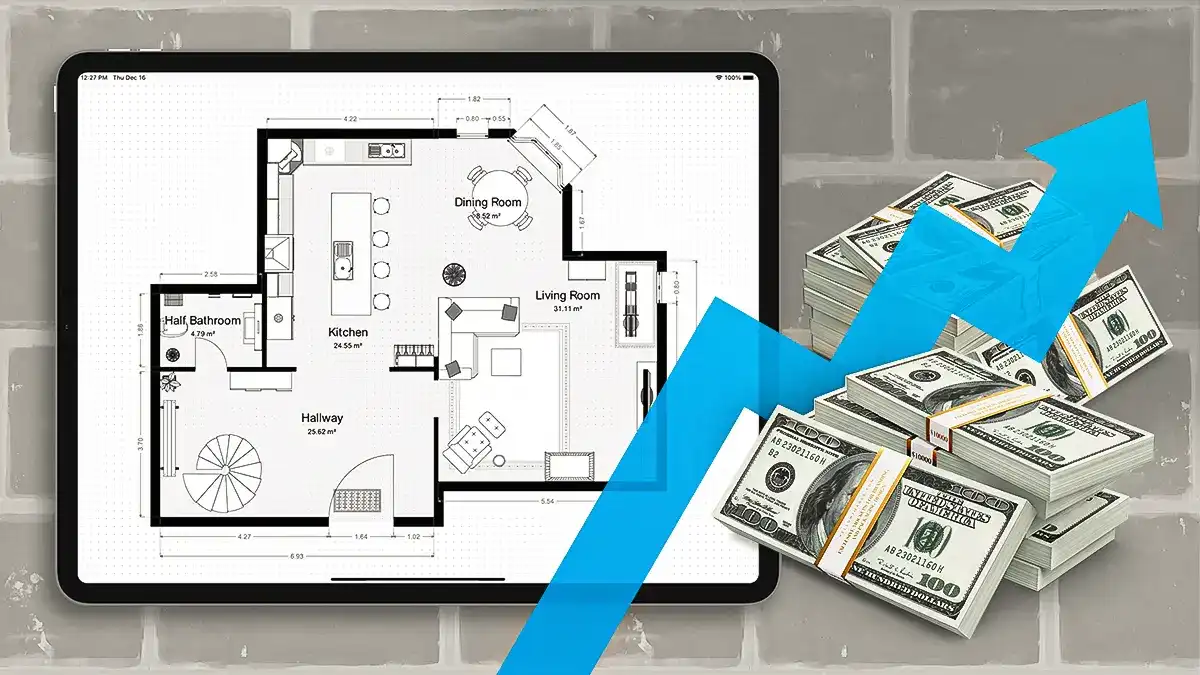
Digital innovations are transforming the residential building industry. Apps and software are helping contractors to lower their costs, increase productivity and protect their profit margins. Find out what these specialized technologies offer and how to select the best one for your remodel, renovation or restoration business.
If you’re in the residential interior game, you’ll know that each job in the field comes with its own unique challenges - may it be a kitchen, bathroom, full house remodel or damage restoration. Yet they all involve planning, estimating and communicating with stakeholders such as homeowners, other tradespeople and the local building authorities. Managing and and keeping track of everything on site is vital, especially in the current climate, as minor planning mistakes or inconsistencies can have a major impact on customer satisfaction, budgets and schedules.
As a successful contractor, your current systems no doubt served you well in the past. But if you’re reading this, you’re probably thinking about going digital. There are lots of great reasons to incorporate construction technology into your remodel or restoration workflow, although the sheer number of available products can be daunting. We’ll walk you through some of the differences, explain why specialized construction apps are particularly useful for your company, and reveal how to pick one that best suits your needs.
Specialized solutions vs. all-in-one construction software packages
Investing in your business drives growth. Paying for an app or fully integrated digital system may feel like a drain on your profits, but if it streamlines your processes, makes it easier to create accurate estimates and speeds up the approval process, then it will be cost-effective in the long-run.
Fully integrated enterprise solutions generally cater to companies involved in commercial or industrial construction. They offer dozens of features and might even be cheaper than buying separate products to cover each of your business needs. Yet they’re not without risks. Aligning your operations with standardized software is generally more complicated than funneling individual processes into specialized construction apps. The system might not meet all your specific requirements (leading to additional purchases), or contain features you never actually use (but still pay for).
Buying individual restoration or remodelling apps means adapting to different systems, but it’s worth it if they’re specialized to your challenges and help you avoid expensive and redundant features. If you work on smaller scale residential projects, the features you’re most likely to need include tools for scanning and measuring interiors, generating estimates and inspection reports, and collaborating with project stakeholders. Many apps can be integrated with other vertical software (digital tools, databases), so you can select the functionality you actually need.
Read more: How Flooring and Remodeling Businesses are Closing More Deals
Most apps let you store your project information in the cloud and access it no matter where you are - in the office, on site or somewhere in between. Apps make this data mobile-friendly, so it can be easily viewed and edited on an iPhone, iPad or Android phones or tablets. In addition to the twin benefits of accessibility and mobility, apps also load faster, are easier to update and take advantage of native device features like cameras and mobile communication technologies.