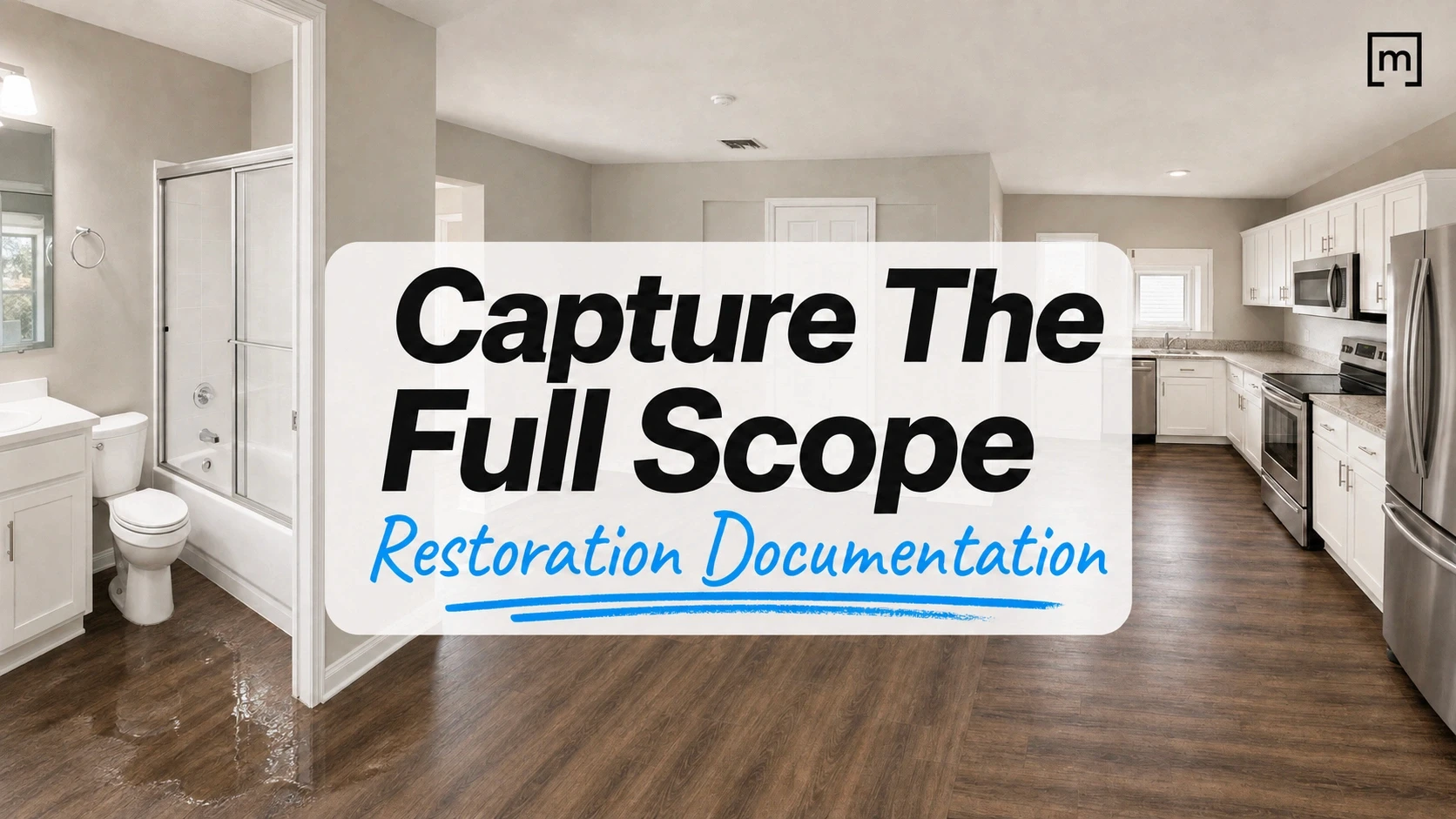
How to Inspect Structural Damage: A Guide for Claims Adjusters
Claims Adjuster
4 min read
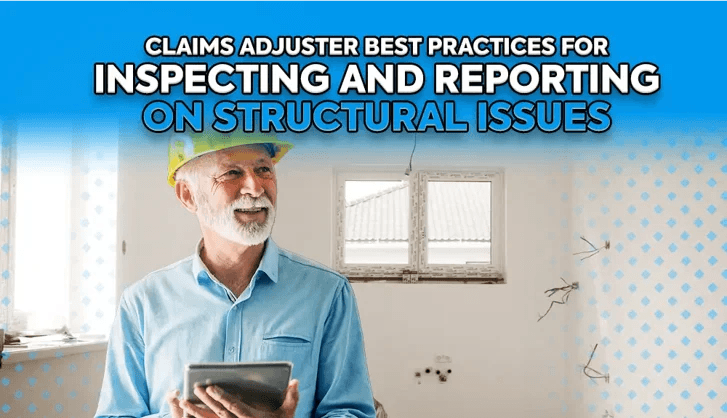
Structural damage can pose a serious threat to the safety of a home’s inhabitants. So, if you are a professional home-insurance claims adjuster, you may be called to claimants’ homes on occasion to inspect and report on structural damages. This article will equip you with fundamental knowledge and strategies to enhance your inspection prowess, and to ensure fast, accurate reporting for efficient claim settlements.
What is a Structural Inspection?
A residential structural inspection is an onsite examination of a home’s structural integrity (the soundness of all elements that hold a home upright).
How Should I Conduct a Structural Inspection?

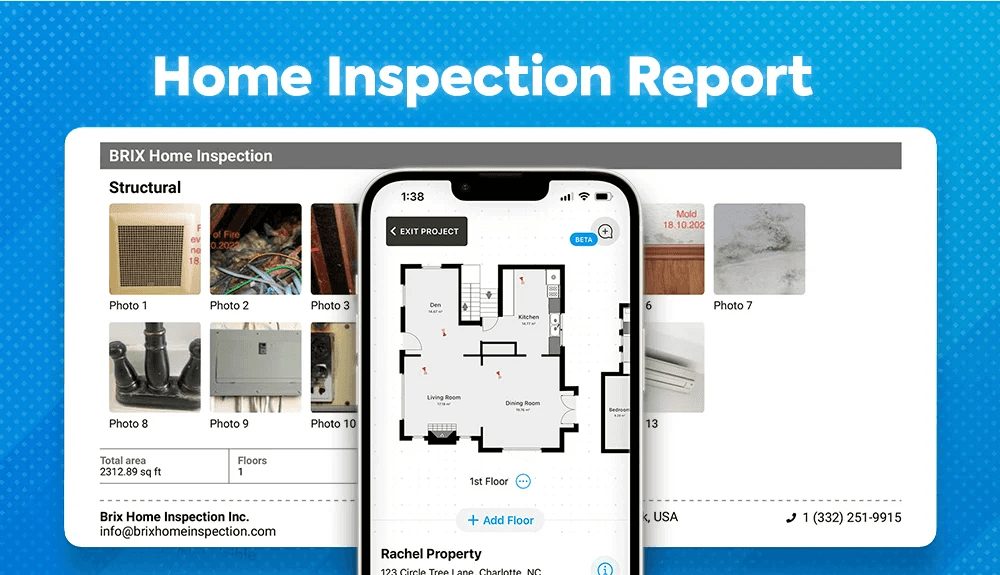
How to Learn More About Structural Integrity
If you want to learn more about conducting basic structural inspections within homes, there are some steps you can take to enhance your knowledge and skills in this area.
Research Building Codes and Standards: Familiarize yourself with the local building codes and standards applicable to the area where you operate. This will help you identify potential structural issues.
Seek Educational Resources: Look for courses, webinars and training programs that focus on home inspections, structural integrity, and building materials.
Network with Other Professionals: Connect with other claims adjusters, home inspectors, or professionals in the construction industry. Engaging in discussions and exchanging experiences can enhance your understanding of structural inspections.
Study Construction Techniques and Materials: Develop a solid understanding of construction techniques and materials commonly used in residential structures. This knowledge will enable you to identify potential issues during inspections.
Conclusion
Mastering the process of inspecting and reporting on structural issues will help to set you apart as a sought-out resource. By following the best practices outlined above, you can ensure that your inspections are meticulous, your reports are accurate, your time is spent efficiently, and your contributions to the claims process are highly valued.
FIND MORE HELPFUL INFO HERE:
Read about 7 Characteristics of Top-Performing Independent Adjusters
Learn 5 Ways to Optimize Your Productivity as an Independent Claims Adjuster
Watch this 18-minute video if you’re wondering “How does a structural engineer check a house?”