AI for Claims Adjusters: Boosting Efficiency with 10 Key Examples
Restauration
6 min read
There's been a lot of talk about Artificial Intelligence (AI) for a while now. Strip away the jargon, and a key question remains: How can AI tools really fit into your claims process to make things smoother and more efficient?
Here's a practical scenario: A homeowner sends in a video showing hail damage to their property. Instead of someone having to watch the whole thing, an AI tool quickly checks it out. It understands the damage, and before you know it, the right adjuster is on the job. No fuss, no delay.
The biggest takeaway? AI is cutting down time and effort in the claims process. This means quicker responses and less manual work for professionals like you, and homeowners get their claims resolved faster.
In this guide:
Understanding the Inner Workings of AI Models
n the world of property claims, adjusters can utilize a diverse range of AI tools that employ different models to enhance their processes and make well-informed decisions. Here's a brief summary of how these AI models operate:
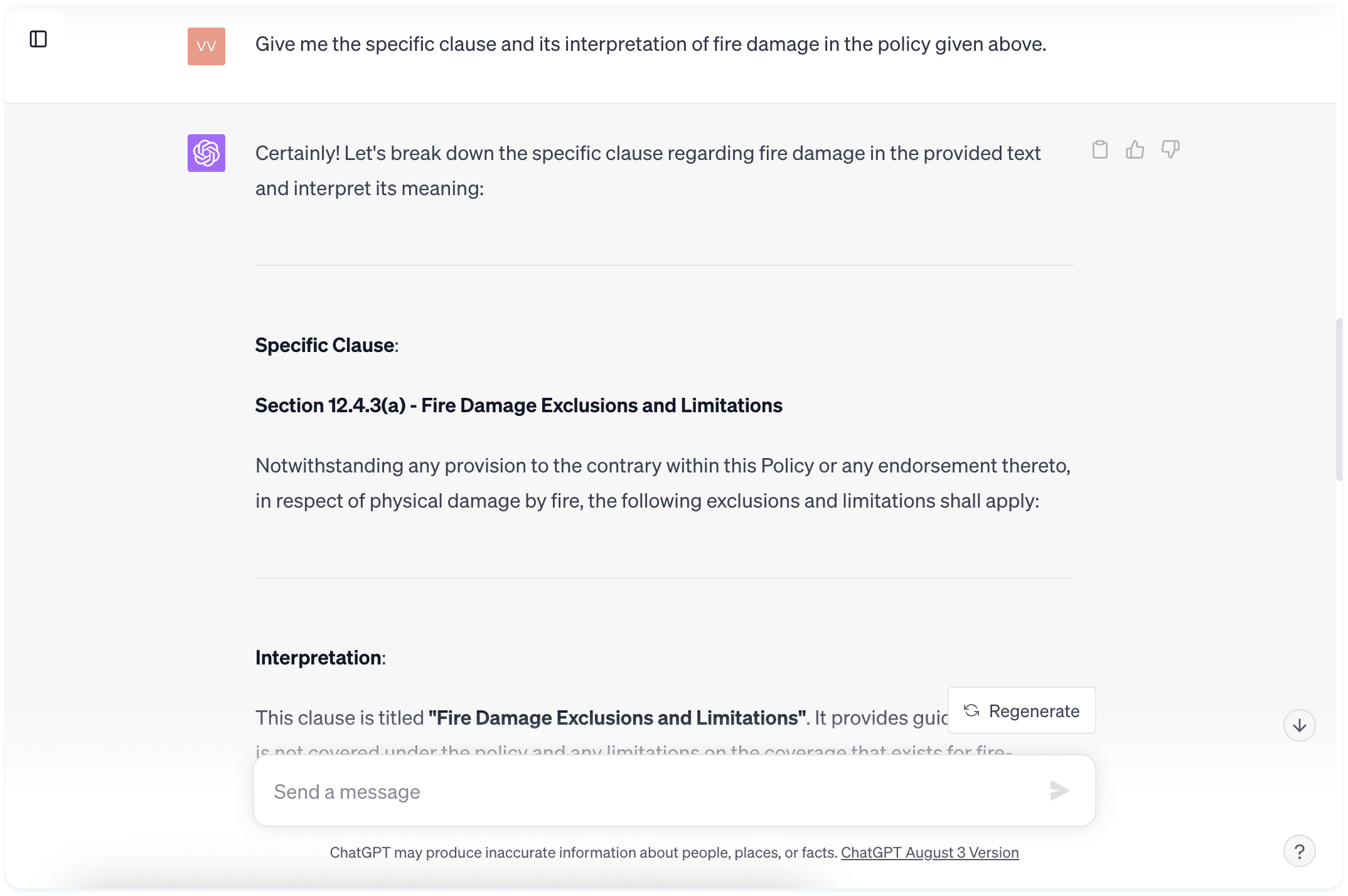
Predictive: Predictive modeling is about forecasting outcomes based on input data. In claims adjusting, it can be used to forecast the potential cost of a claim based on initial information. For instance, given the extent of a roof damage, they can predict how much it might cost to repair.
Generative: These models could be trained on a dataset of past fraudulent claims, learning the characteristics that often signify fraudulent activity. Once trained, it could generate new, synthetic fraudulent claims scenarios.
Discriminative: These models could be used in the classification of claims. For instance, claims could be classified into categories like "likely fraudulent", "high cost", "low cost", "quick resolution", "lengthy resolution", etc.
To give a practical analogy within the industry:
A predictive model in this industry is like an adjuster who, upon hearing the initial details of a claim, estimates the time it will take to process, the potential cost, or the likelihood of complications arising.
A generative model in claims adjusting might be like an adjuster who has been trained on various types of claims and can generate a detailed hypothetical scenario for a training exercise, giving a rich description of what might have happened.
A discriminative model would be like an adjuster who is particularly skilled at telling whether a claim is more likely to be due to one cause or another based on the presented evidence.
10 Ways to Use AI Tools as a Claims Adjuster
Advantages of AI for Claims Experts
1. Decreased Cycle Time: With the implementation of AI, the analysis and damage assessment process are automated, leading to a significant reduction in the overall time it takes to process a claim. This is a stark contrast to the traditional approach that heavily relies on manual inspections and assessments, which tend to prolong the claim life cycle.
2. Increased Accuracy: AI tools offer precise and unbiased evaluations of damage, significantly reducing the risk of human mistakes and improving the accuracy of claim settlements, ultimately preventing financial losses.
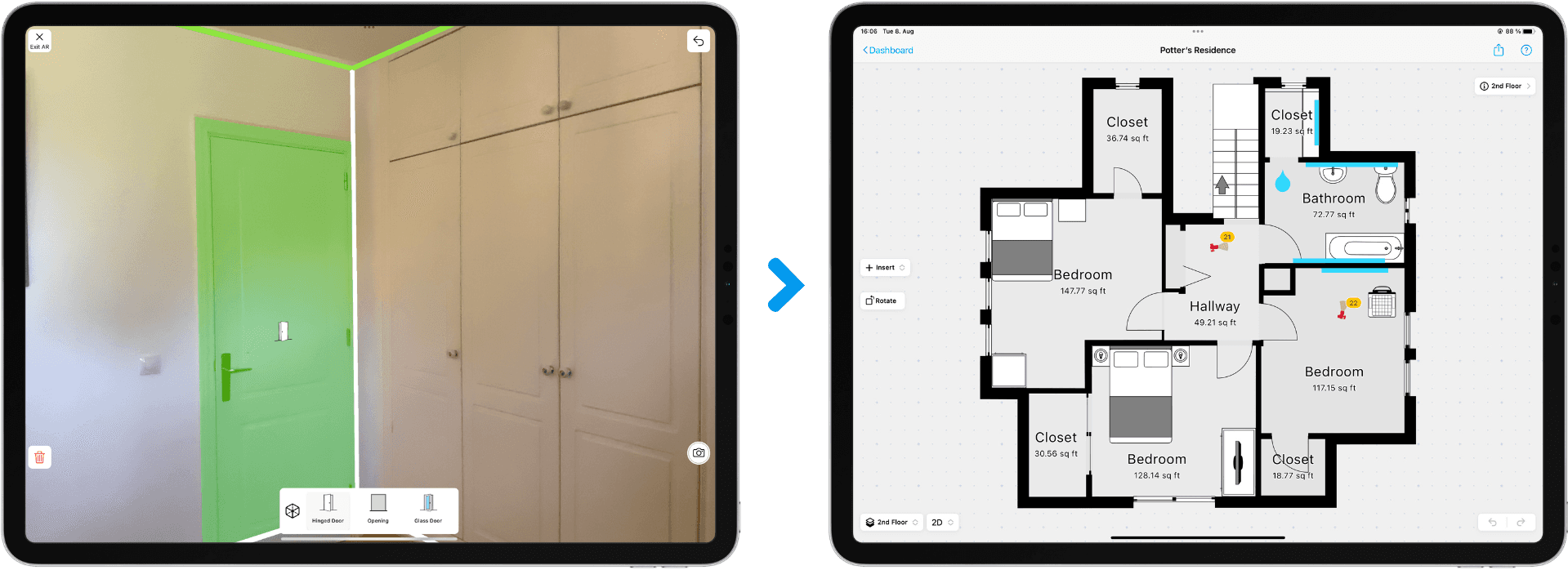
3. Optimal Resource Allocation: By intelligently analyzing the intricacies of a claim, AI can determine the exact number of adjusters required for field assessments, ensuring no understaffing or wastage of resources. Additionally, it can identify and match claims with the best-suited contractors in the vicinity, based on factors like expertise, availability, and past performance.
4. Efficiency and Flexibility: By taking care of repetitive tasks, AI allows adjusters to invest their time in more complex claim components, fostering both efficiency and flexibility.
In essence, AI isn't just a buzzword or a fleeting trend. For claims professionals, it's a game-changing tool that ushers in efficiency, accuracy, and innovation. As the landscape of claims processing continues to evolve, the integration of AI will undoubtedly be at its forefront.
Continue reading our guide on How Every Home-Insurance Claims Adjuster Can Reduce Cycle Time
Or find out more about Embracing the Future of Home Insurance: The Rise of Virtual Claims